Creating a place to play? Get in touch. We can help you navigate the Toolkit, connect with partners, and in some cases provide endorsement or direct advice.
Want to stay up to date on the latest updates, resources, and community news from Soccer Forward? Join our network and be the first to know what’s new.
Spot something we can improve? Share your feedback.
We believe places to play can be the heartbeat of communities where individuals grow as players and as people. They can be a force for good, uplifting our neighborhoods and creating connections between our communities, whilst also driving success on the field.
Developing a thriving place to play requires more than infrastructure. It needs us to be intentional in all our decisions - where a facility is located, what happens on and off the field, who has access, and how it is sustained.
The Places to Play Toolkit offers practical advice and real-world approaches across 12 key areas to support anyone in the soccer ecosystem who is planning, building, refurbishing, or activating places to play.
Ensure a location helps you to maximize access, inclusion, safety, and a sense of belonging, whilst also allowing connection to vital services, partners and utilities.
Explore when to build vs repurpose, which facilities will best support players beyond the pitch, the right format and surface, and approaches to essential maintenance.
Place local communities at the centre of a place to play development process, and ongoing operational and management structures, moving beyond consultation to establish belonging.
Engage and collaborate with the network of partners you need to develop a place to play, bring it to life, and help it thrive long-term.
Create a place to play that addresses key barriers to accessing soccer, so that everyone can play, your facility is full, and your whole community feels like they belong.
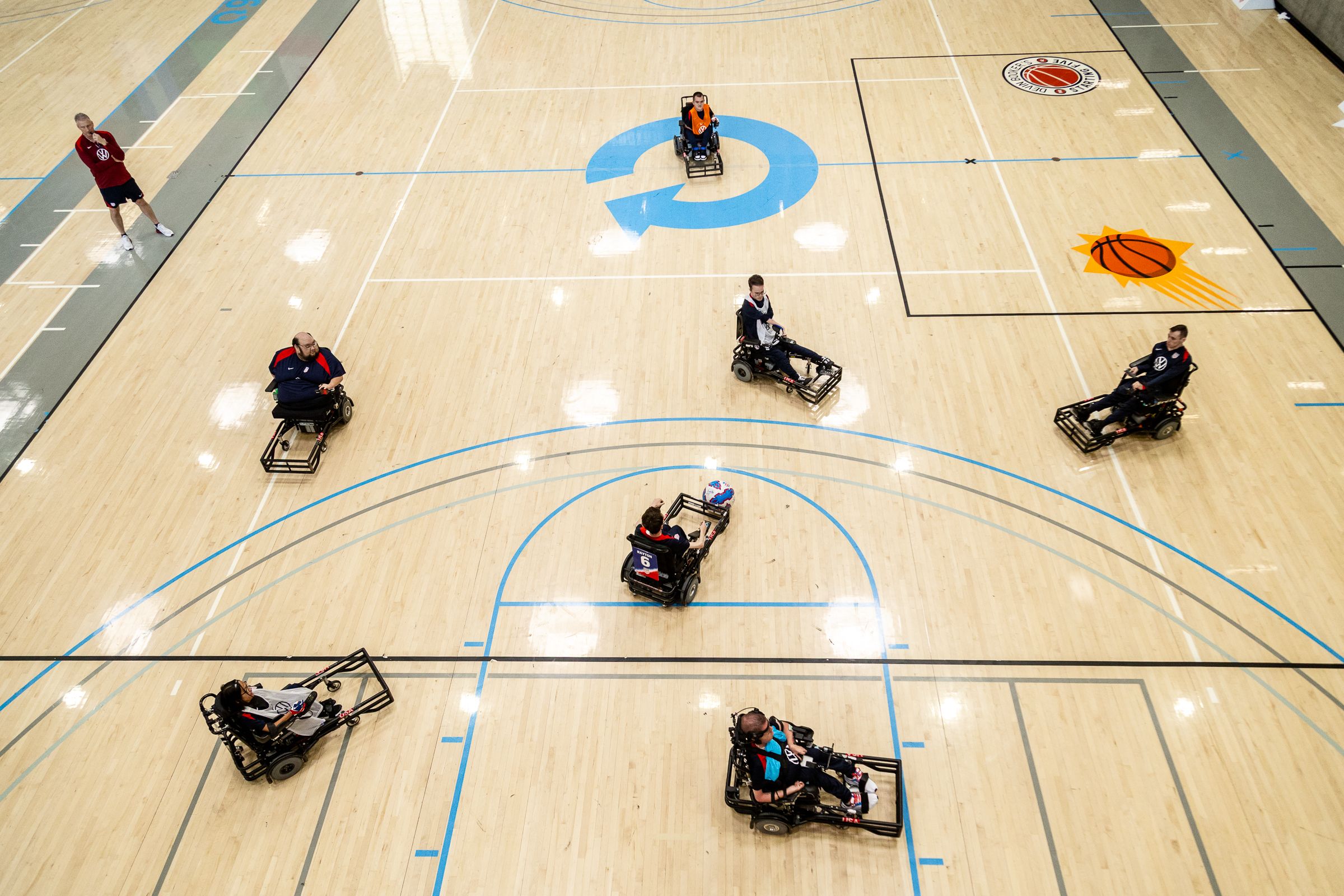
Develop a place to play that is physically accessible to people with different needs and can be adapted for the different forms of soccer and anyone that wants to use the facility.
Develop places to play where the environment, culture, operations and programming support women and girls to feel welcome, safe, and like they belong in the game.
Develop programming that helps ensure the value and impact of a place to play is fully realized, the whole player is supported, and your facility goes beyond soccer.
Secure capital investment to develop a place to play, and the ongoing income for operations, programming, maintenance and sustainability.
Understand the relationship between climate and a place to play to increase player and fan safety, reduce risks to the facility and playing time lost to extreme climate events.
Establish policies, practices and culture across a place to play that helps to ensure everyone feels safe to attend, participate and thrive at the facility, and in the game.
Using data to understand who is using a place to play, how it is experienced, what difference it makes, and how it can continue to improve over time.
As with all Soccer Forward initiatives, this work builds upon expertise already present across the game. The toolkit is made possible by the generosity of experts doing the work. We are proud to showcase and share their expertise with the soccer ecosystem for the good of the game and the communities we serve across the country.
If you have something to add to the Places to Play Toolkit, or if there’s something you think is missing, get in touch.
Discover how our own place to play, the Arthur M. Blank U.S. Soccer National Training Center in Fayetteville, Georgia is creating a true home for soccer in America. Opening in 2026, the 200-acre campus brings together all 27 national teams while serving players, coaches, referees, and partners across the soccer ecosystem. The NTC will demonstrate that a world class soccer facility can be both a performance engine and a public good.
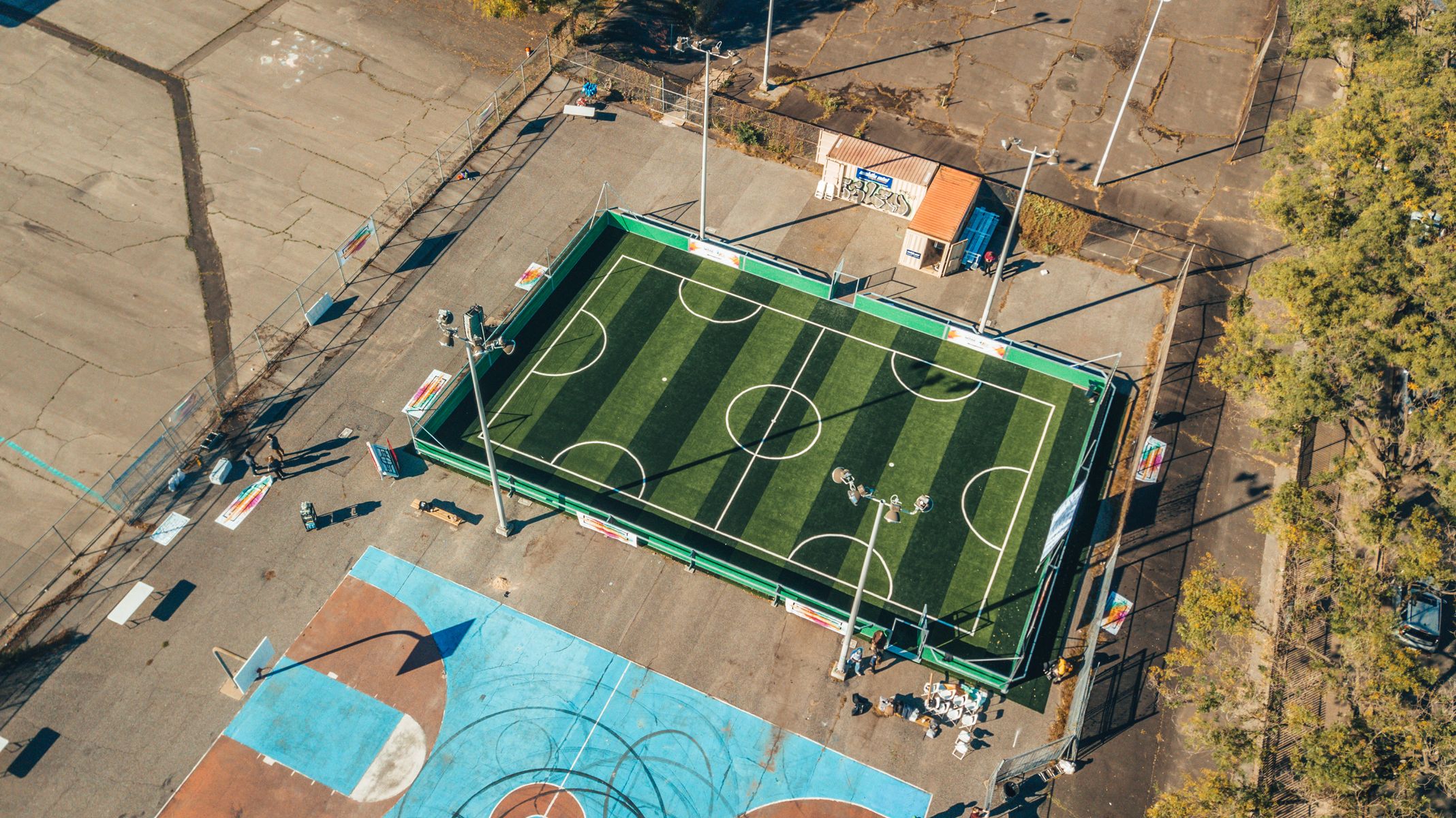
The toolkit reflects the breadth of our game. It supports people creating places to play on any surface, in any format, whether building, repurposing, refurbishing, or activating pop-up spaces where they are needed.

Places to play are developed in very different contexts across the country. Planning laws, funding opportunities, and climate all vary widely. Rather than issue rigid standards, the toolkit is designed to help communities explore what’s possible and adapt approaches to meet their specific local needs.
The soccer community told us that providing access to places to play was a key concern, and that they needed support to advocate for facilities, demonstrate social impact, raise investment, and balance community vs commercial use. This Toolkit is the start of our response.