Jordan Obernesser - The American Amputee Soccer Association

When I walk onto the pitch, I am representing more than just my country. I am representing everyone who supported me, believed in me, and helped push me through the hardest times of my life. That is the score that matters most to me.
My name is Jordan Obernesser. I am 17 years old from Golden, Colorado, and I am a forward/midfielder for the USA Amputee Soccer Team.
I found amputee football when I was 14 while going through chemotherapy and recovering from a recent amputation. The 2022 Puskás Award winner Marcin Oleksy scored an overhead kick while playing amputee football, and the existence of the sport was always in the back of my mind.
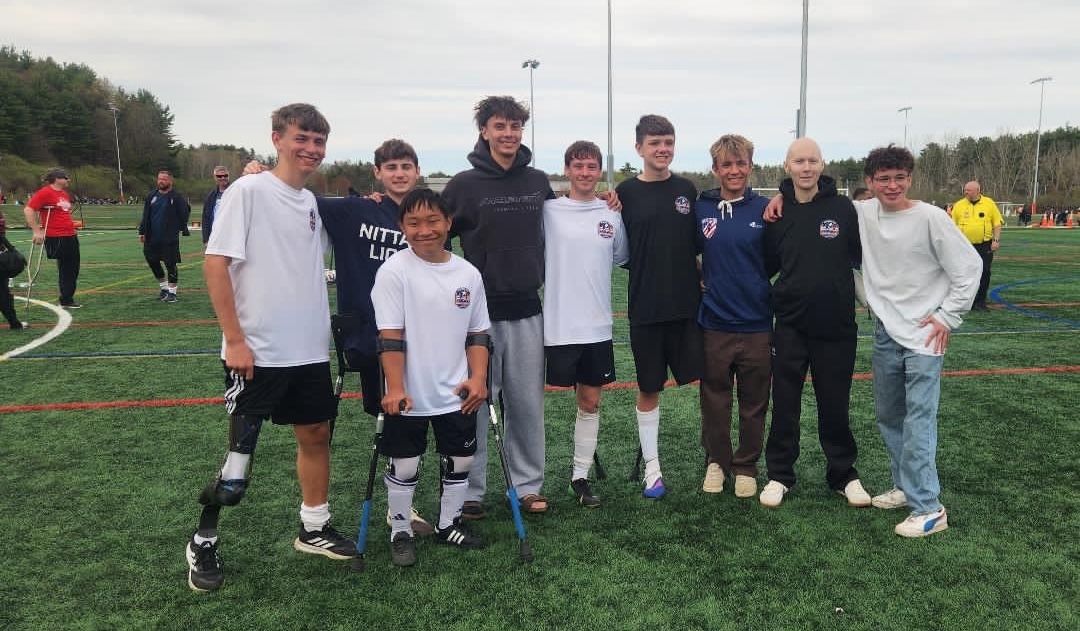
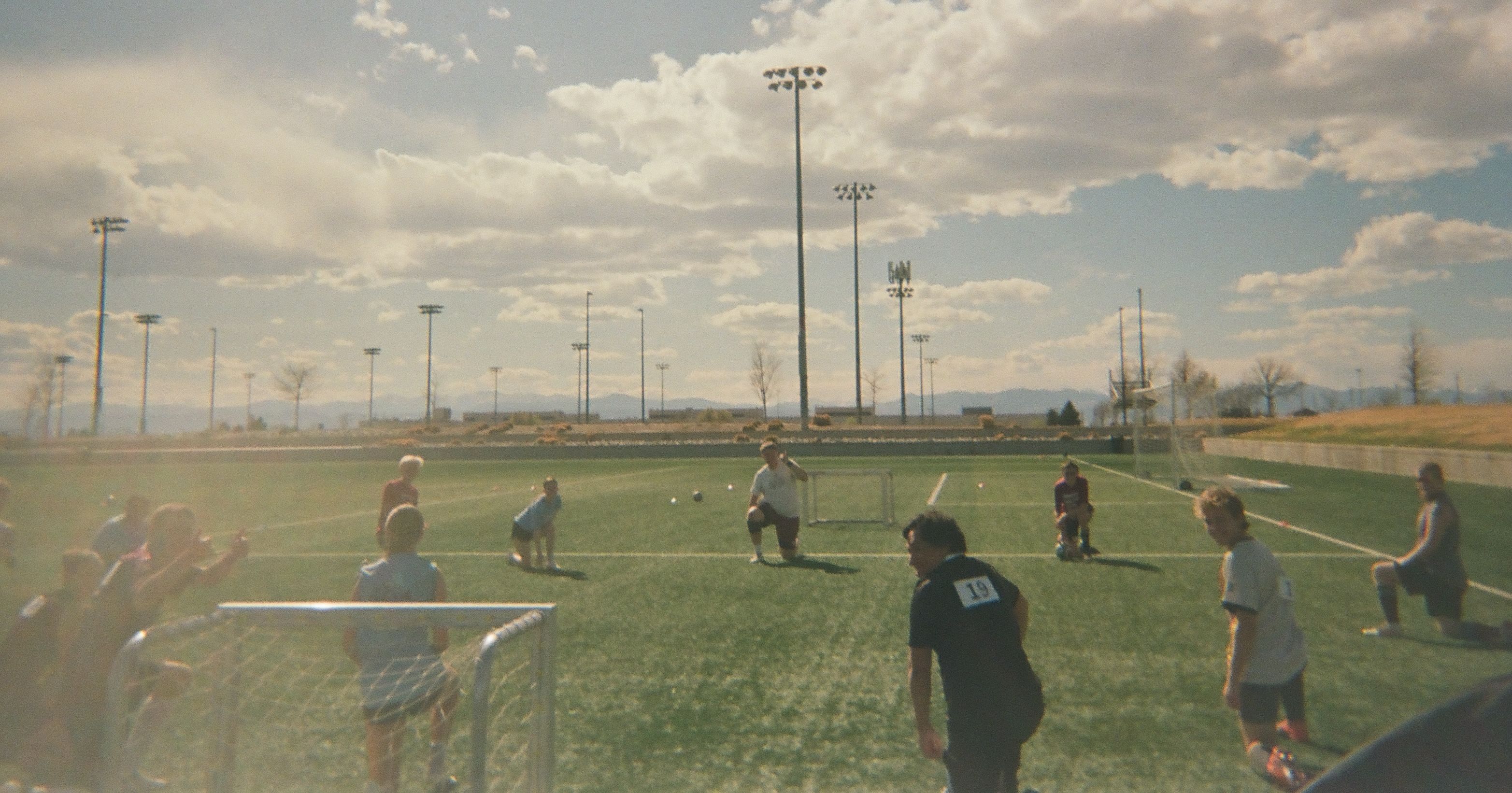
Once I became cancer-free, I got connected with the Colorado Rapids MLS team, and they introduced me to their amputee football team. From there, I met the captain of the United States National Team, and he invited me to try out with the National Team a month later. I made the team and have been training with them for the last two years.
I have been playing football since I was 3 years old, and it has always been a huge part of my everyday life. While in pre-season for my school team, I started to feel pain in my right knee, but brushed it off as growing pains since I was only 14. The pain persisted into the early season, and I later had it looked at by a doctor. Soon after, I was diagnosed with bone cancer.
I under went chemotherapy and later an amputation and was advised not to play football for a while. Once I was cleared, I went out to my backyard and tried to teach myself and re-learn how to kick a football again while on forearm crutches. I considered quitting multiple times because I found it incredibly difficult, but I loved the sport so much that quitting was not an option. So I persisted and earned a spot on the National Team a year later.
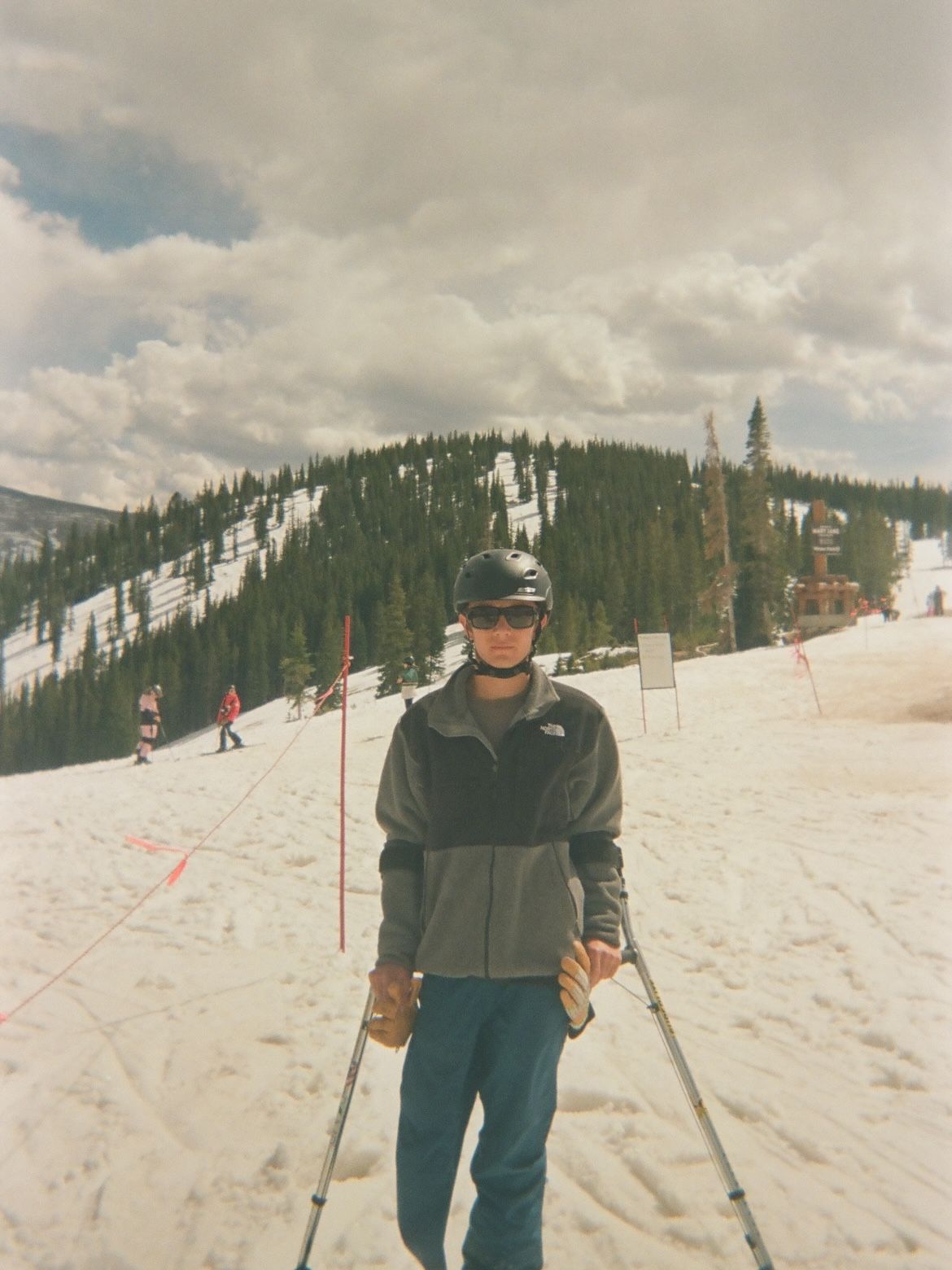
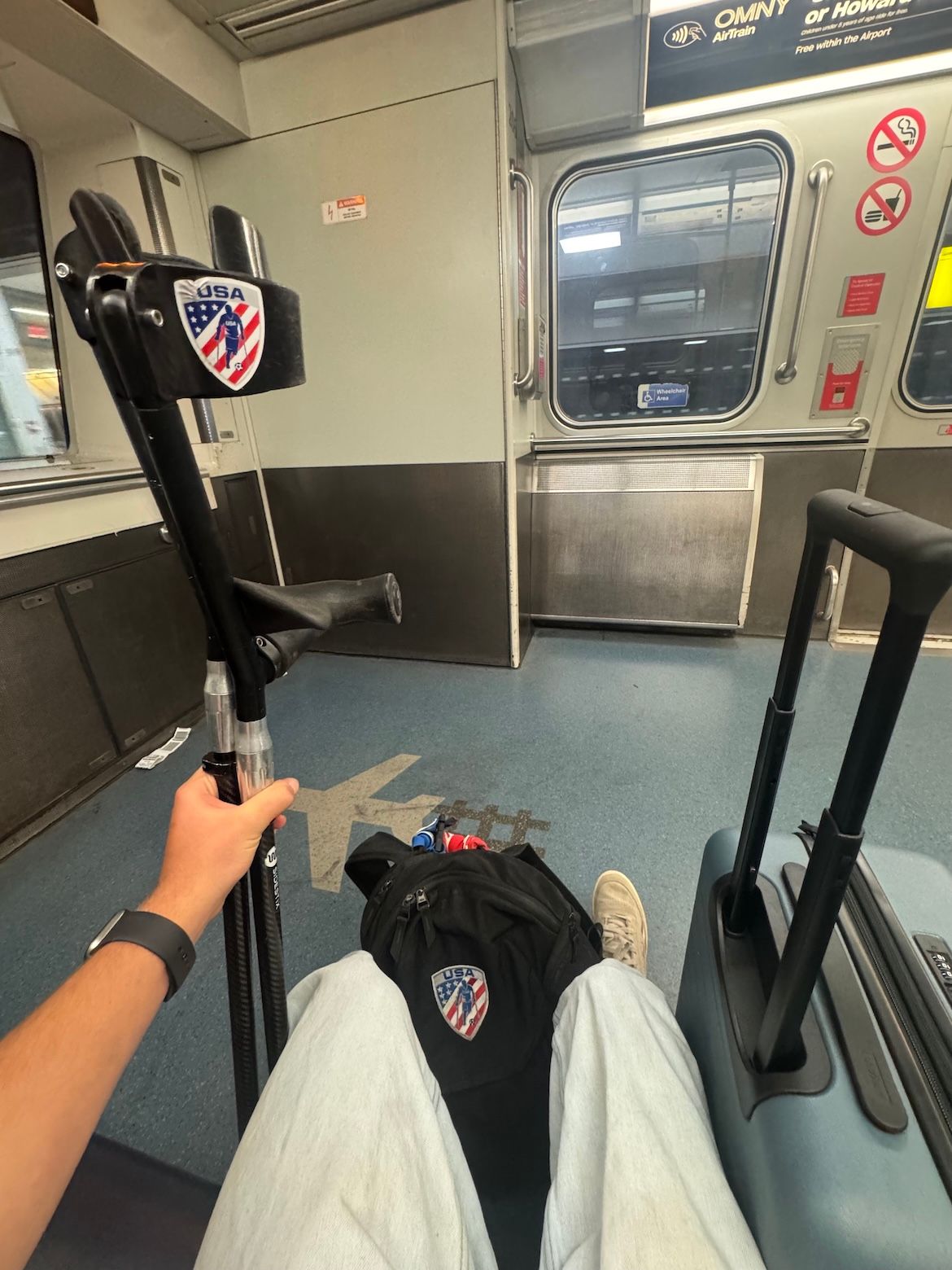
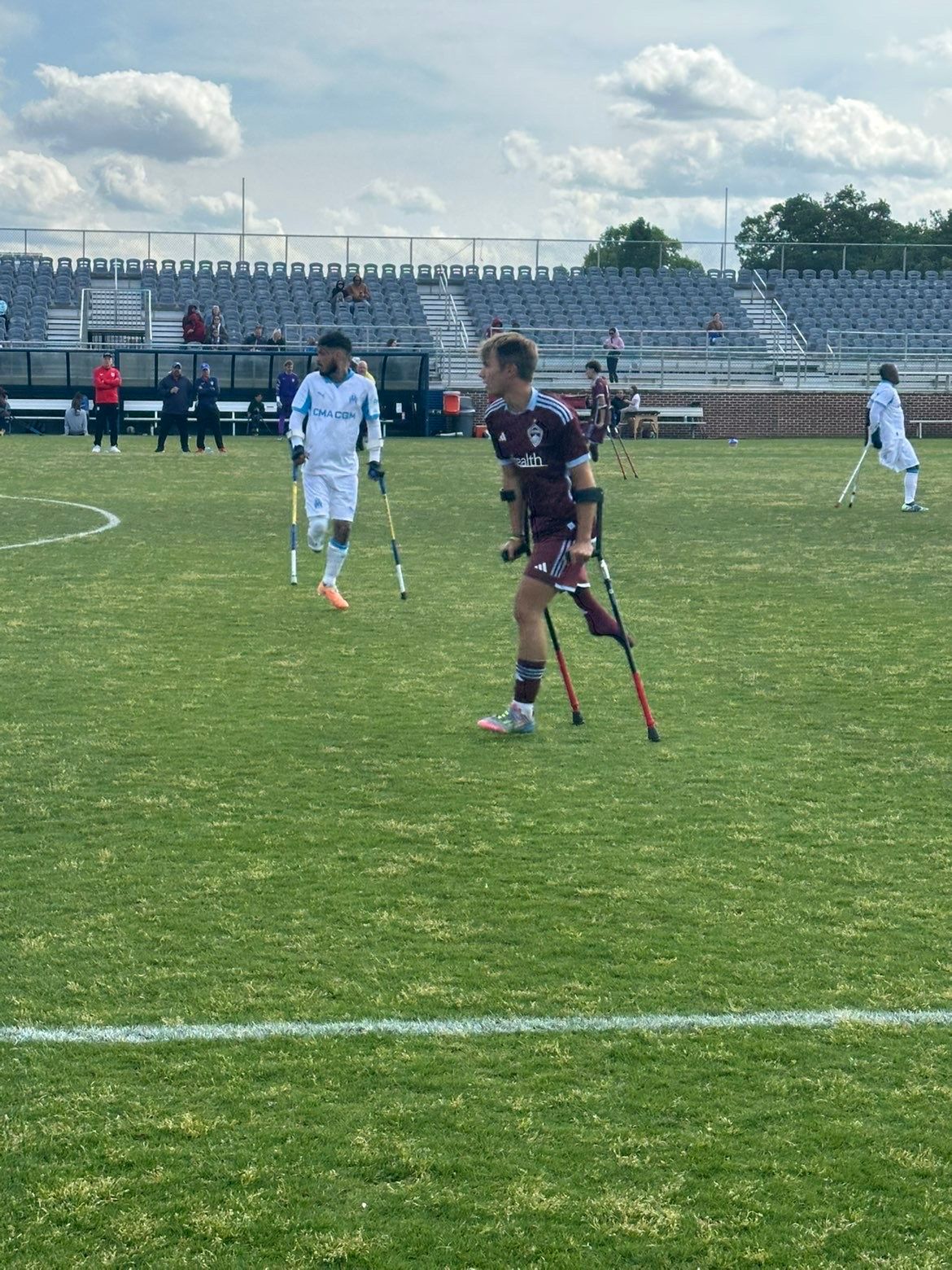
I was incredibly nervous at my first National Team training camp. I was 15 years old and expected myself to ball out against these fully grown men. I kept telling myself that the training camp was just a learning experience, but I knew I wanted a spot on that roster.
I did not know what to expect stepping onto the pitch for the first time, and I was worried I was going to get hurt or not play well. I ended up earning a spot on the team, which made me incredibly proud of my ability, my mindset, and the work I had put in to get there.
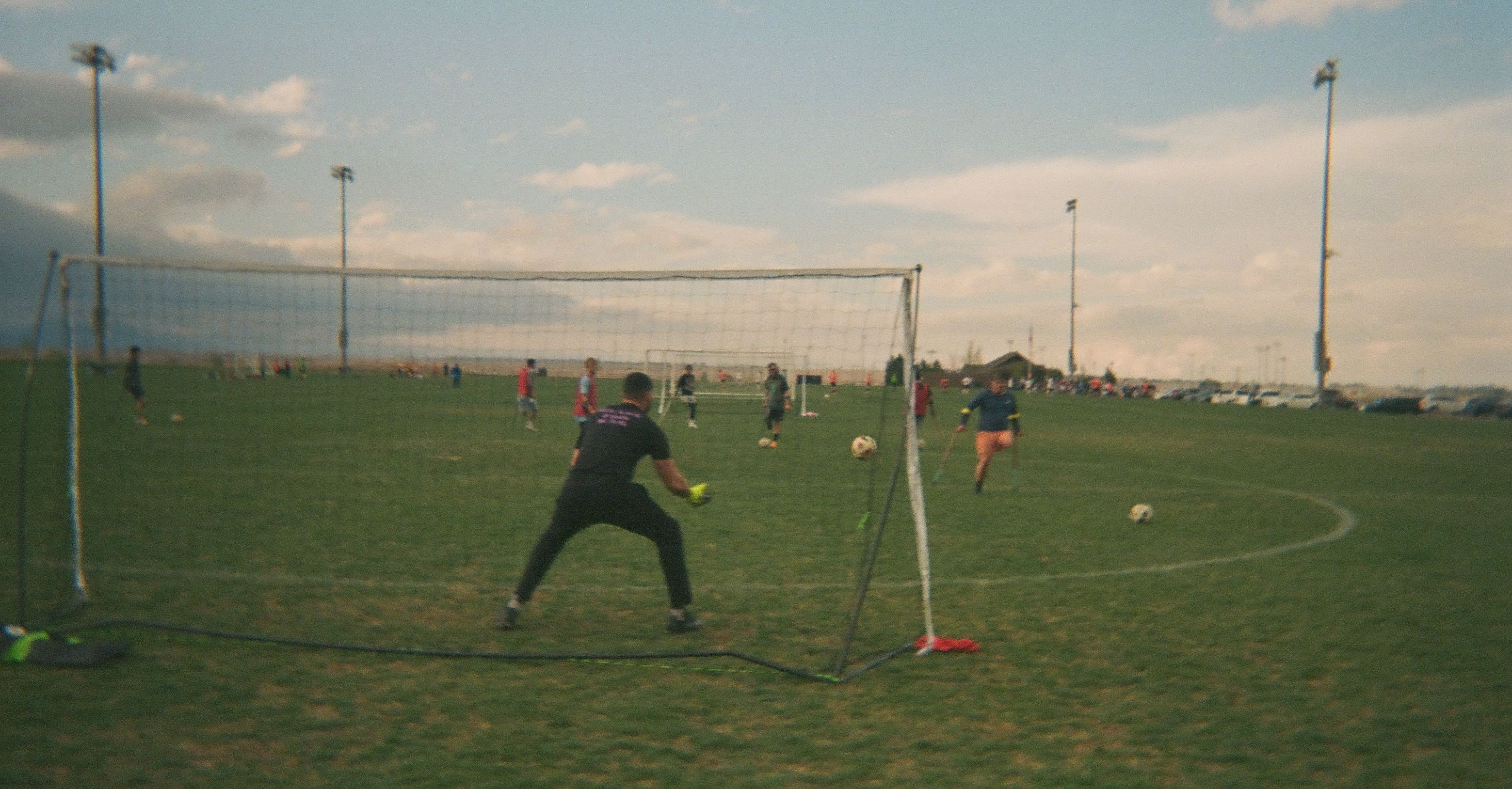
People across the country can unlock the power of soccer as a force for good because it is one of the most inclusive sports in the world. It may be the only sport that has modified versions for nearly every disability and age group, giving everyone the chance to play and experience the joy of the game.
Having a disability myself, I know what it is like to have your mobility stripped from you, as well as your ability to play a sport you love. I have found joy in being included in soccer, and this sense of inclusion has grown my attachment to the sport.
Soccer can change how people see disability. When people watch us play, they do not see limitations; they see skill, speed, teamwork, and passion. It shows everyone that we are capable of far more than they might expect.
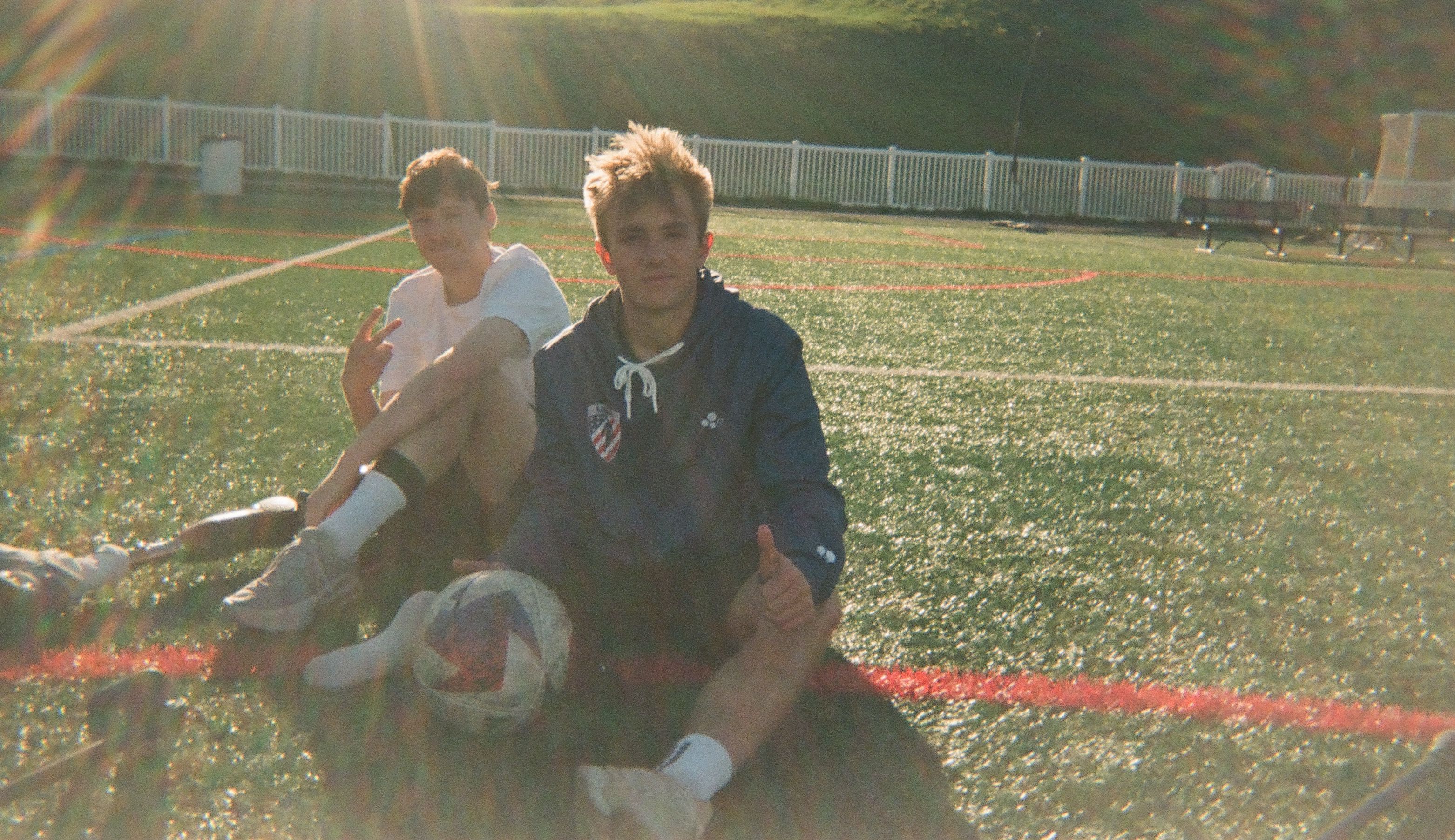
When I think about why I play and who I represent, what feels most important to me is my family, my friends, and everyone who supported me through the hardest moments of my life. They are my number one fans, and when I play, I represent them to the best of my ability. Without them, I would not be where I am today, and they are a huge part of my motivation.
Wearing the USA crest still does not feel real to me. I cannot believe I am representing my country. Sometimes it still feels like I am just out there playing with my friends like I was years ago. But deep down, I know what an honor it is.
Having the World Cup in the U.S. is huge. It means more visibility, more support, and more opportunities for people to learn about all kinds of football. For the AASA, it means inspiring the next generation of players.
Kids who might be struggling right now can find inspiration from watching the World Cup, grow the desire to play, and eventually find their way onto a pitch with us.
Goal Click is collaborating with U.S. Soccer on a new storytelling series as part of the Keeping Score of What Matters campaign. The series will spotlight untold stories within clubs, organizations, and communities supported by Soccer Forward, focusing on the diverse ecosystem of soccer and its use as a force for good.
The American Amputee Soccer Association is dedicated to promoting and developing amputee soccer in the United States, creating inclusive opportunities for athletes with limb differences.
Jordan Obernesser is a 17-year-old amputee soccer player who battled bone cancer and now represents the United States on the Amputee National Team.
Want to stay up to date on the latest updates, resources, and community news from Soccer Forward? Join our network and be the first to know what’s new.
Spot something we can improve? Share your feedback.
The American Amputee Soccer Association (AASA) is way more than just a sports organization. It creates a community where everyone understands each other without having to explain anything. Everyone there has gone through something similar - losing a limb, facing challenges, and learning how to adapt - and soccer became the thing that connects us.
The AASA provides a place where we are seen as athletes. On the field, we compete harder than many people would expect, with quick play, spectacular goals, hard tackles, and a huge amount of passion.
The AASA gives us opportunities to be part of a community, train, compete nationally and internationally, and meet role models who are older amputee athletes. It also gives younger players like me the confidence to try new things and believe in ourselves beyond soccer.
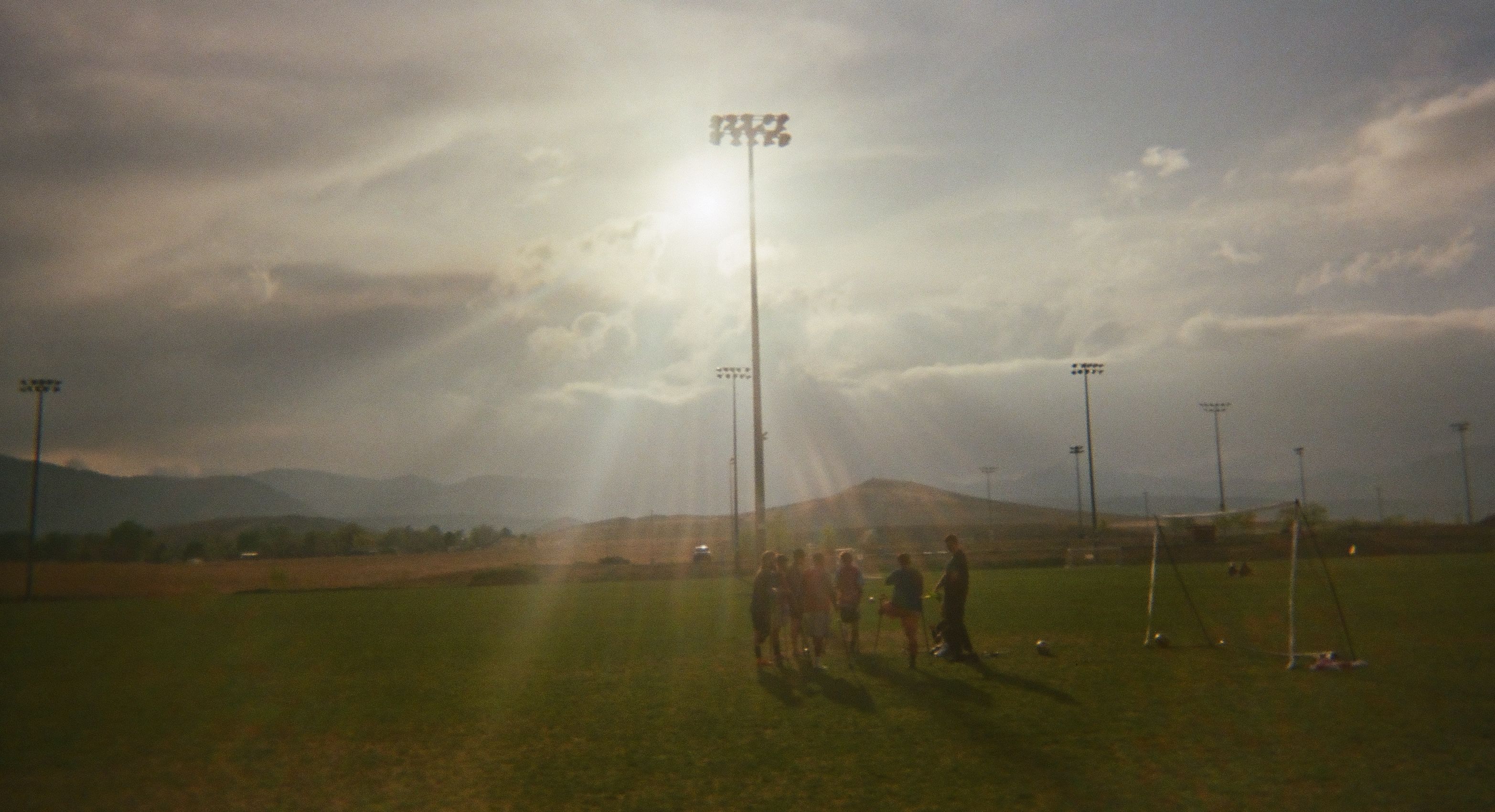
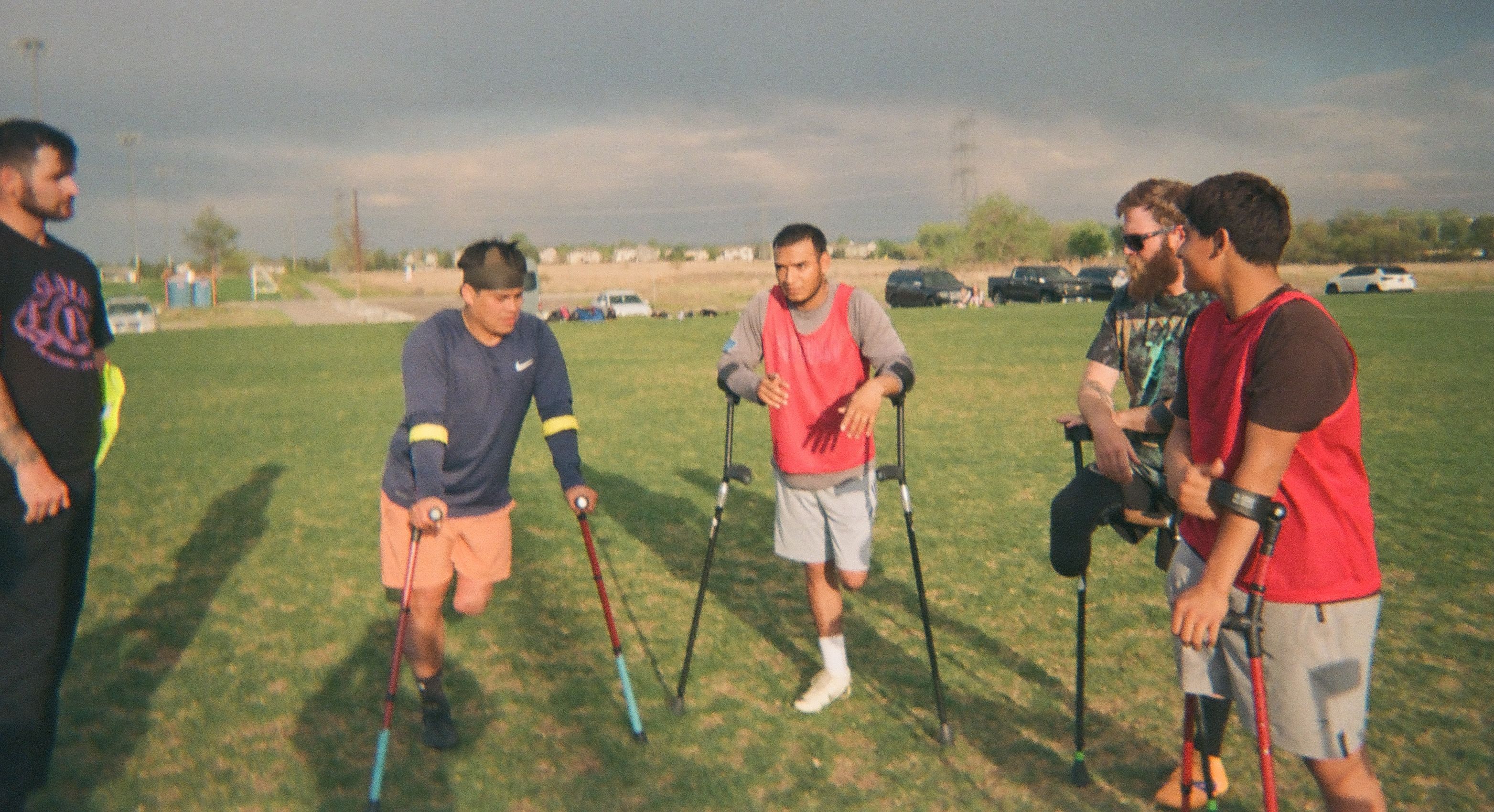
Soccer has always been a place for me to be myself, use my creativity, and connect with people on the pitch. I have always had high expectations of myself and am constantly challenging myself to become the best player and teammate I can be. I always set new goals and believe I can achieve them no matter what. Soccer has also opened doors to future opportunities like college, a career, and meeting people who can help guide me through the rest of my journey.
One of the most important things I have learned from playing soccer is how to be a leader. Through being a captain for multiple seasons, I have learned how to value the opinions of others and how to work within a team to achieve a shared goal.
Through participating with the Colorado Rapids Unified and Amputee Soccer teams, as well as the United States Amputee Soccer Team, I have learned how important inclusion is.