Soccer was one of the first things in my life that felt truly free. When I played, everything else went away, and I did not have time to think about anything but playing and competing. It was the first time in my life that I remember feeling present and free from worry.
My name is Will Baird, I am 43 years old, and have lived in Colorado since 2006. I believe existing in this world requires me to constantly navigate many factors, like how others perceive me and how the world portrays people who look like me. As a young Black boy, I knew early on that the world saw me as different. I was Black in America.
When I played soccer, it was the first time I did not think about that constantly. For a little while, I was free from the burden of race and everything that came with it.
The Colorado Soccer Foundation
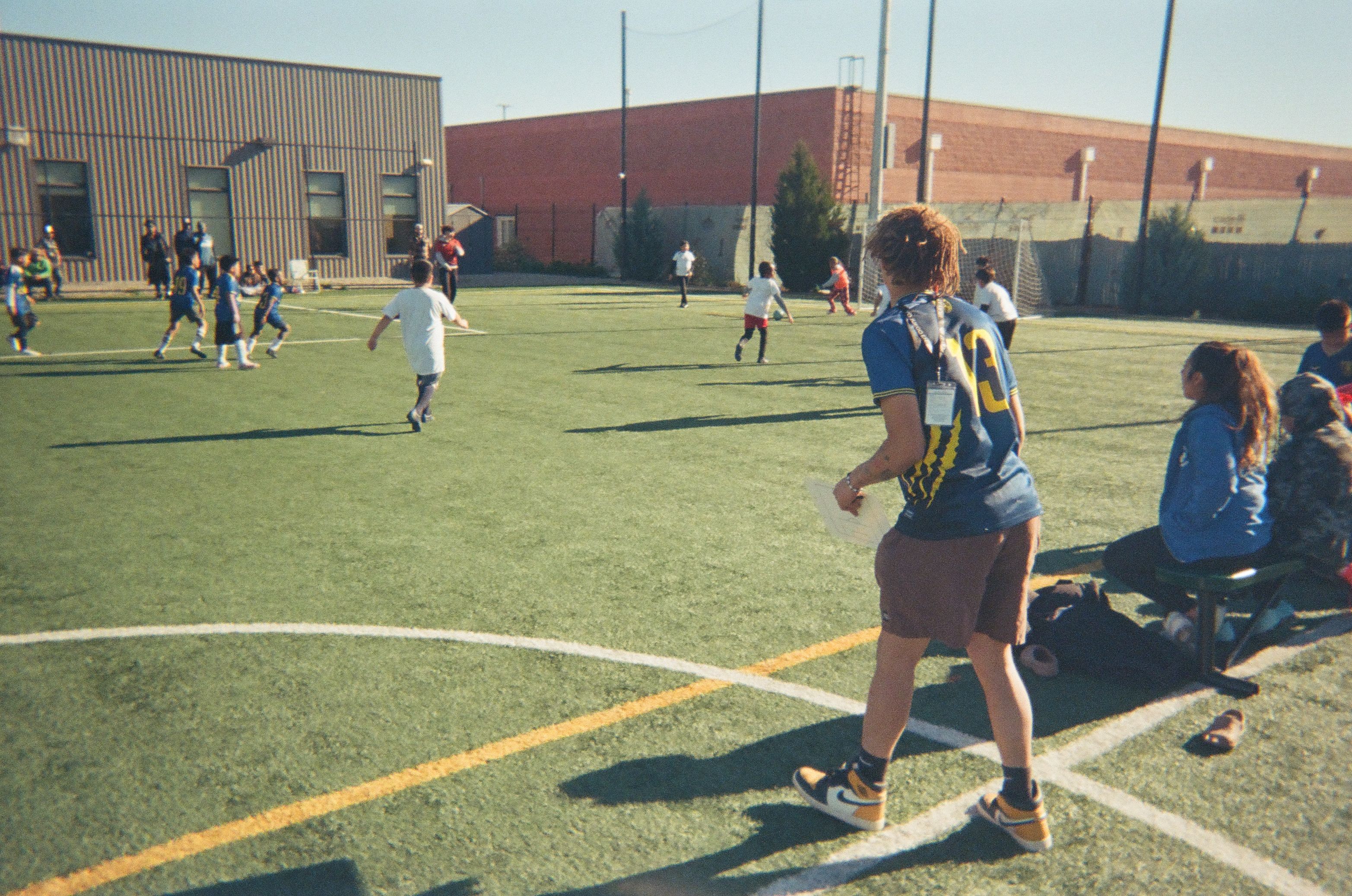
For over 15 years, I have worked in education, teaching and coaching. Currently, I am a Campus Administrator working with adjudicated youth. I also work at Soccer City, home of the Colorado Soccer Foundation (CSF), as a Supervisor and run the Young Adult Advisory Council (YAC).
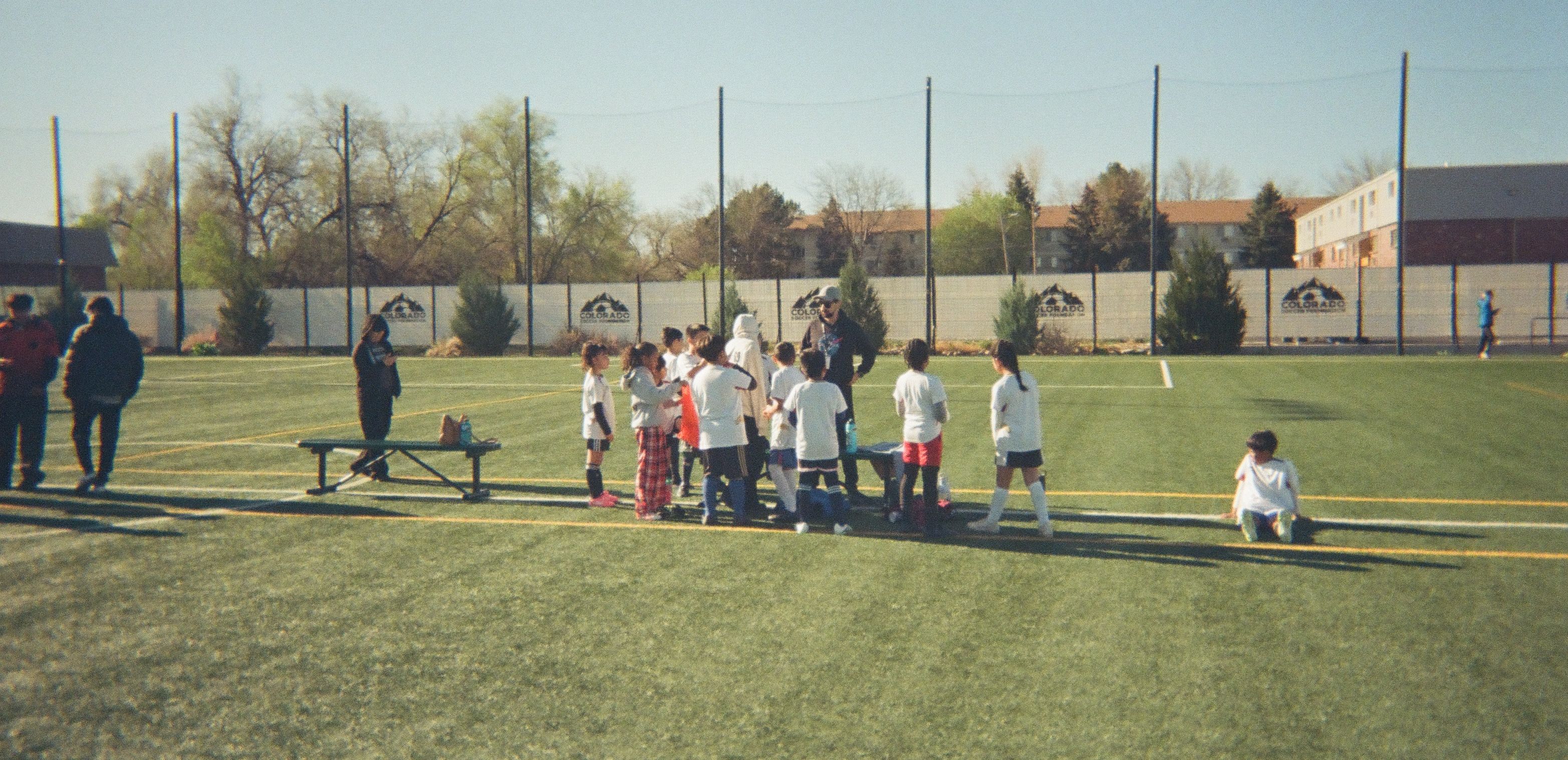
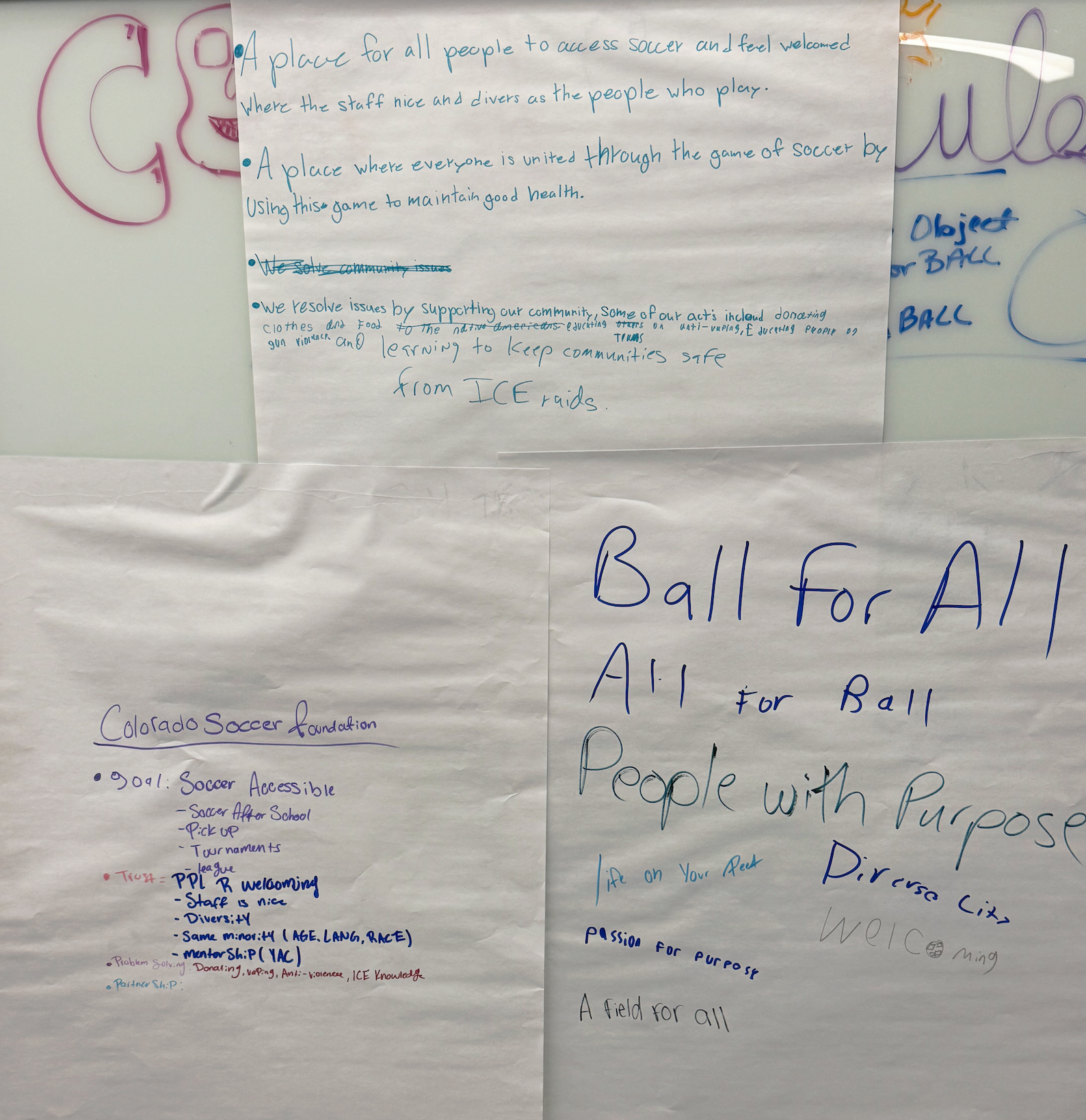
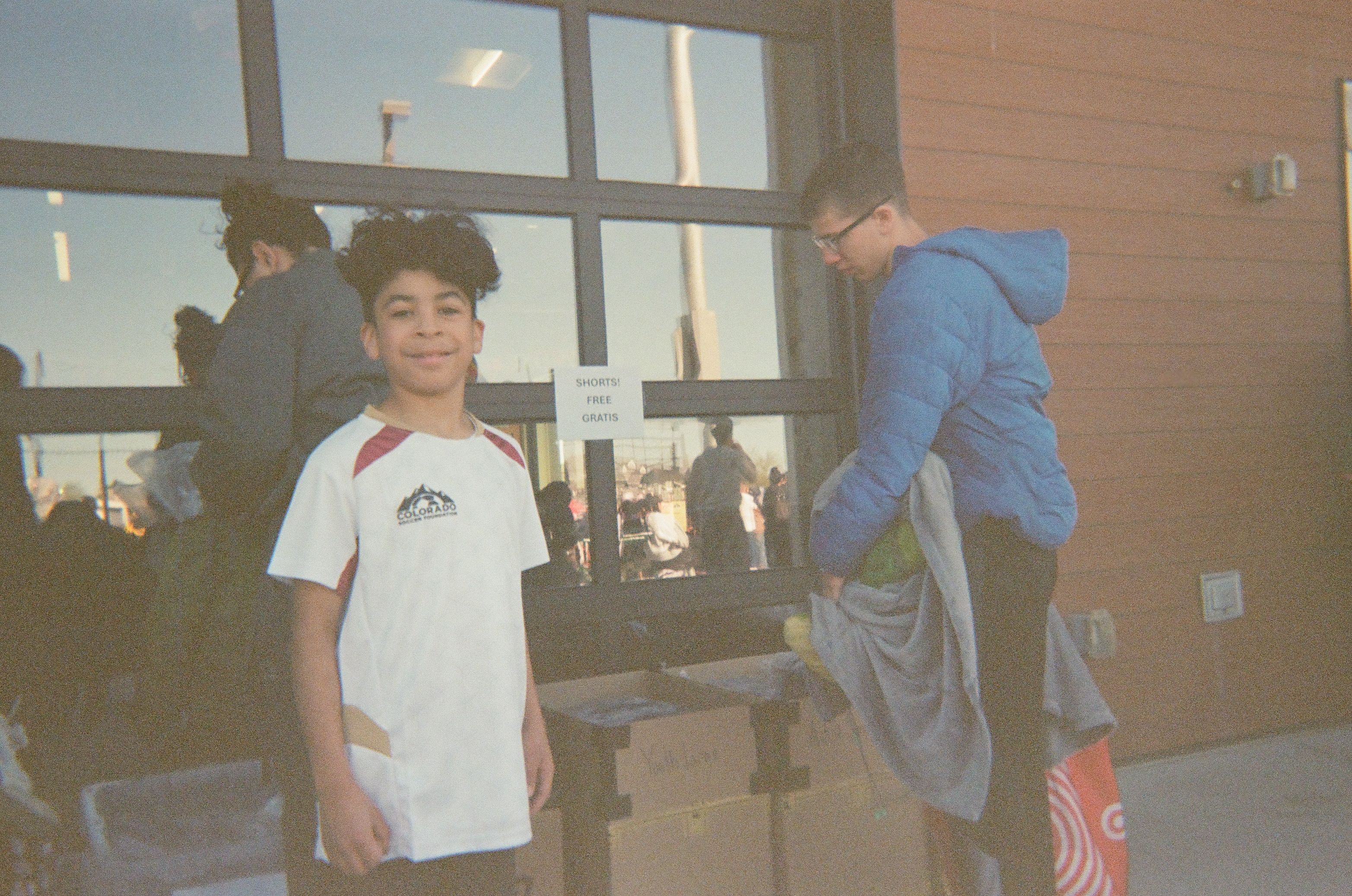
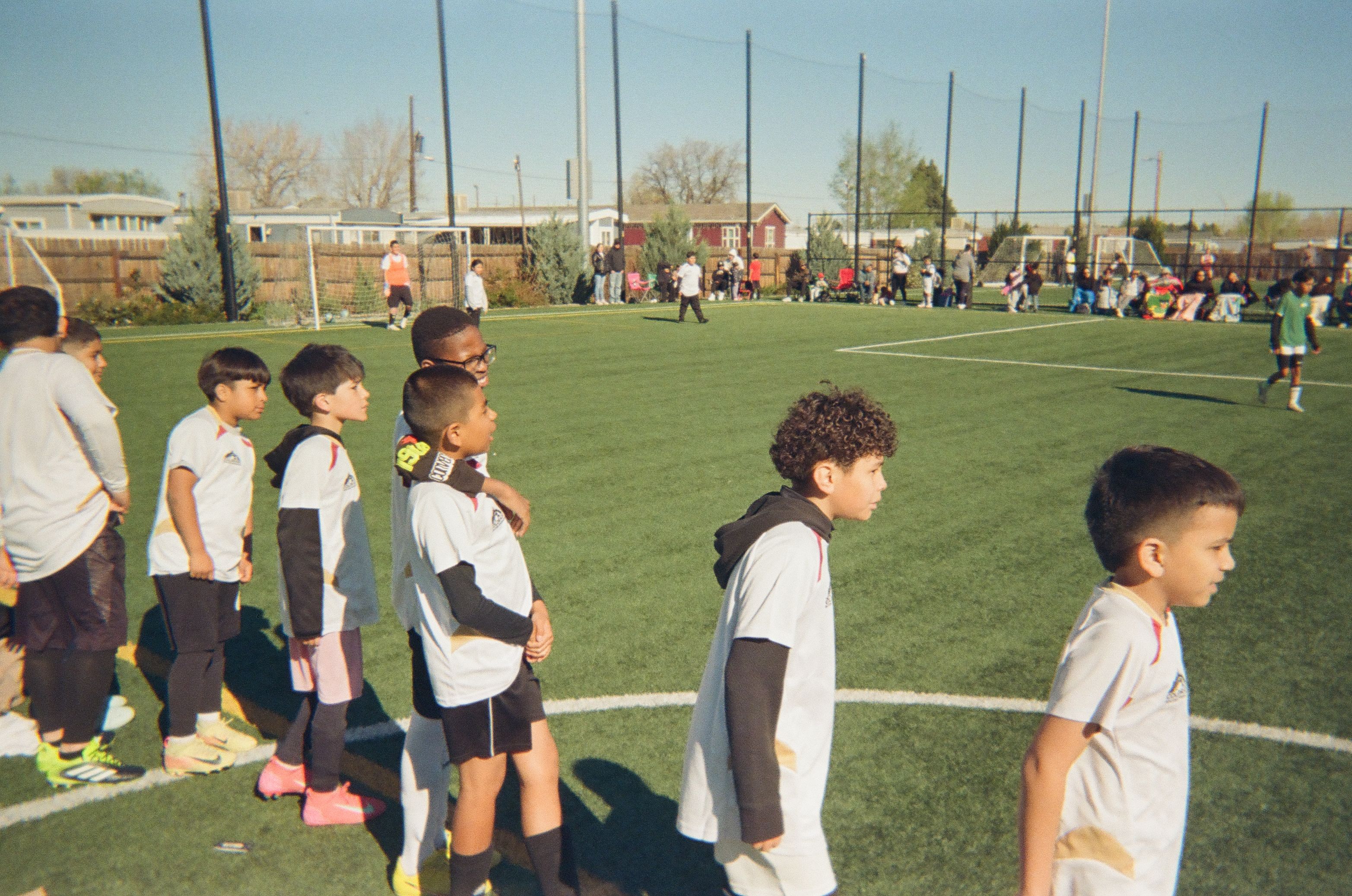
Our mission at CSF is to provide access to soccer for all. We are a safe space in the Aurora community and ensure that anyone who wants to play has a place at Soccer City.
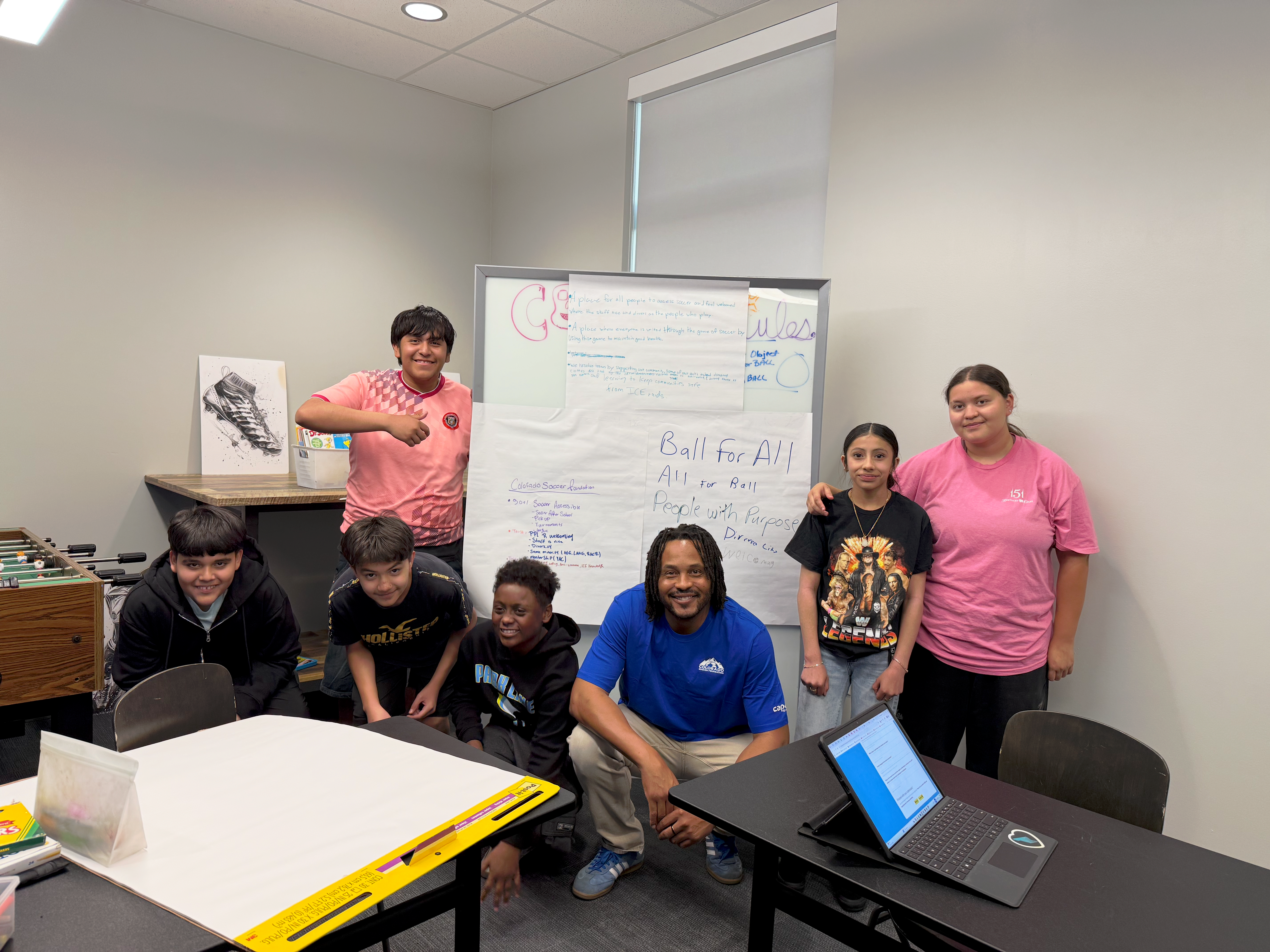
The YAC serves young people ages 11 to 19. Together, we explore different aspects of their lives and work to learn how to navigate challenges and create solutions in our communities. It is a sacred space for me because these kids mean the world to me. We provide a safe place for our youth to express what is happening in their lives, and we work together to find ways to make our world better. We do not expect anyone to do it for us, and we choose to help ourselves.
Our kids face challenges in so many different ways, and I have the privilege of getting to know what many of them carry. They deal with family, neighborhood, financial, and school-related struggles. They also navigate racism, xenophobia, immigration concerns, and the harm caused by people who choose to dehumanize others.
At Soccer City, we have a simple but powerful message: make the game accessible to all. We love and welcome every person in our space. When you enter our clubhouse, we are intentional about showing that everyone belongs.
Our kids see themselves in the photos around them, hear their language spoken, and hear the languages of people from all walks of life. They feel safe because they feel seen, valued, and heard at Soccer City.
We have built a community centered on one thing: making sure everyone belongs in the game.
Our players have different abilities, but they all matter. We offer pickup games, skills training through our Jovencitos camp, mental health support, and Young Adult Advisory meetings so our youth have a voice.
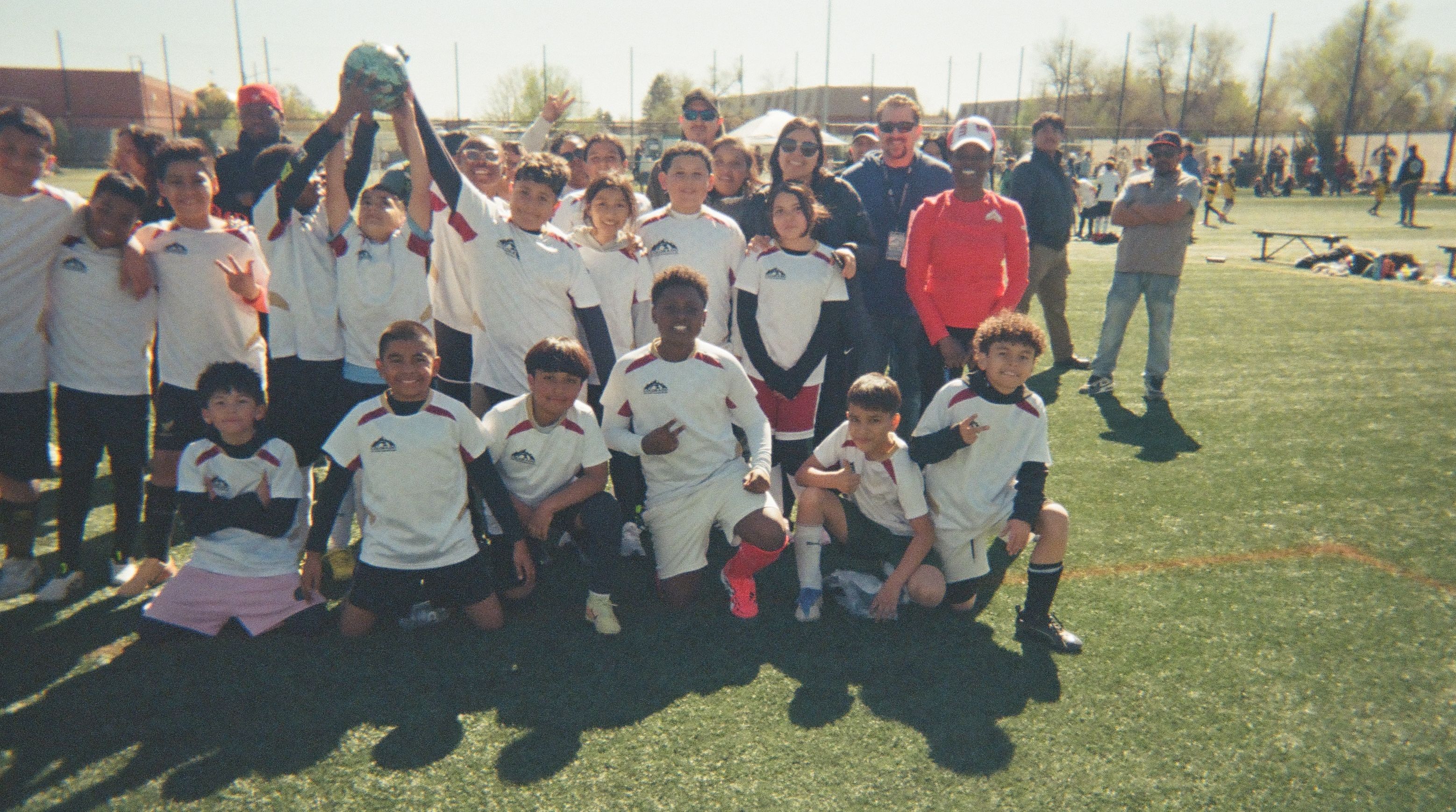
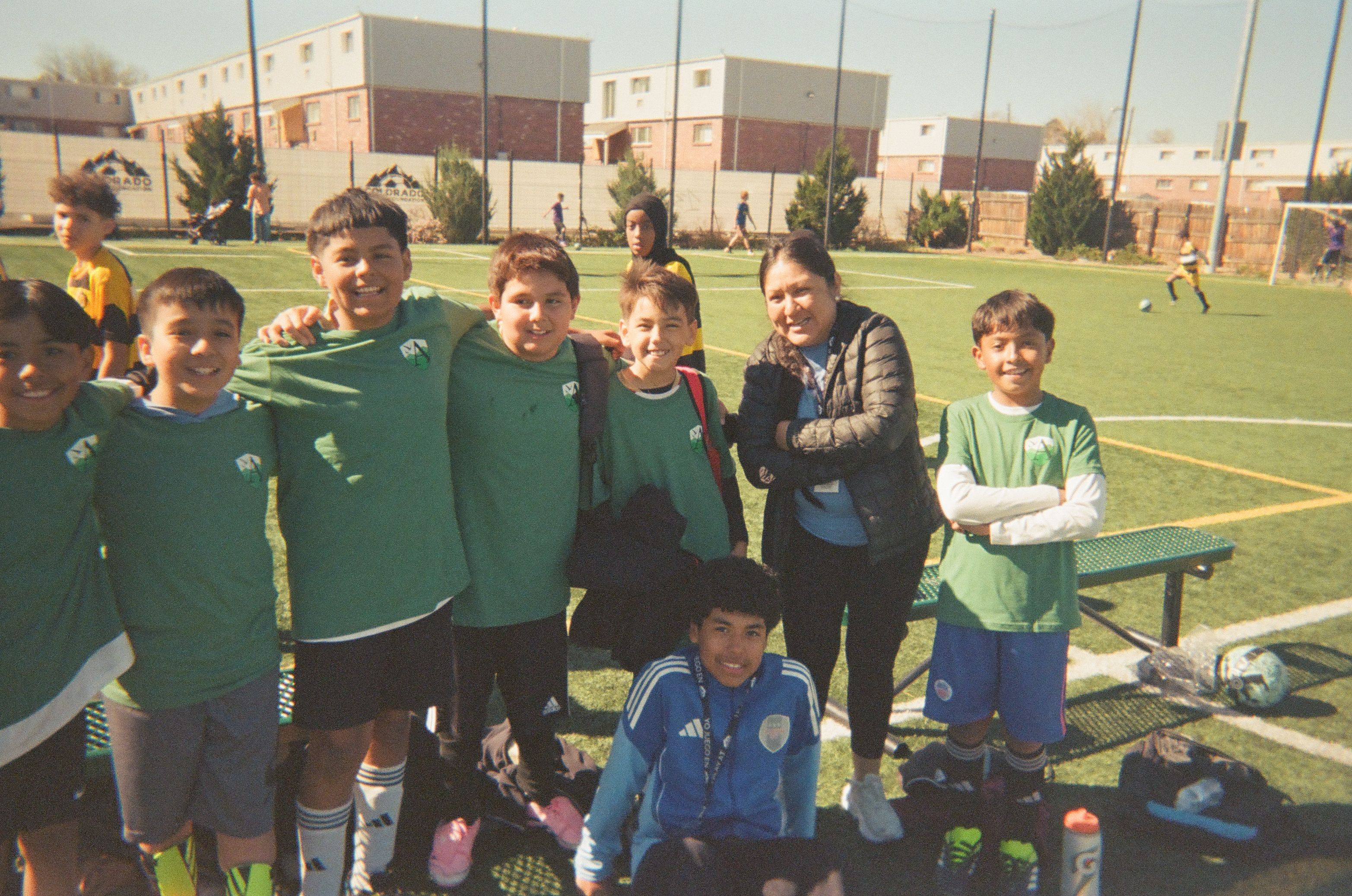
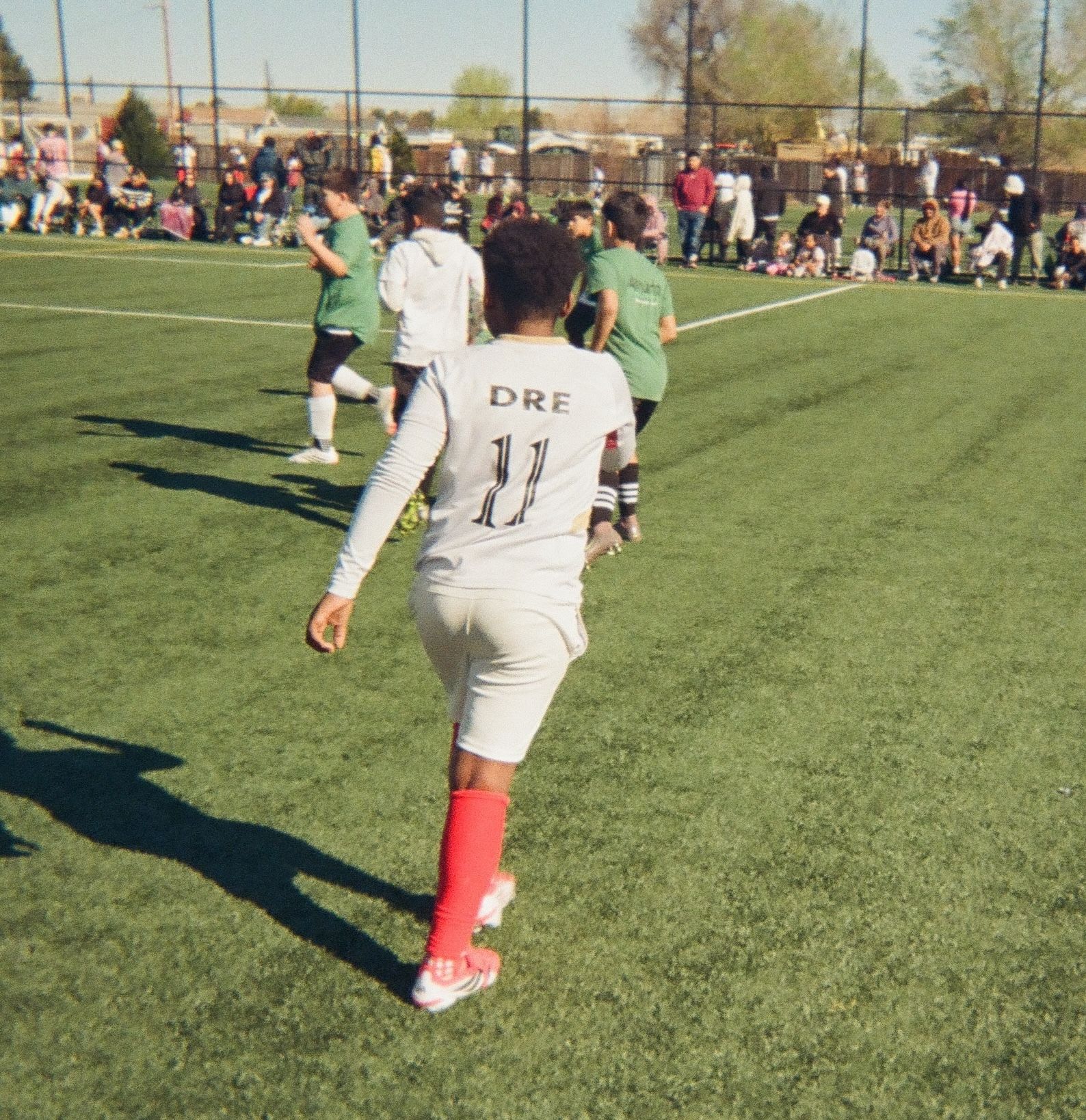
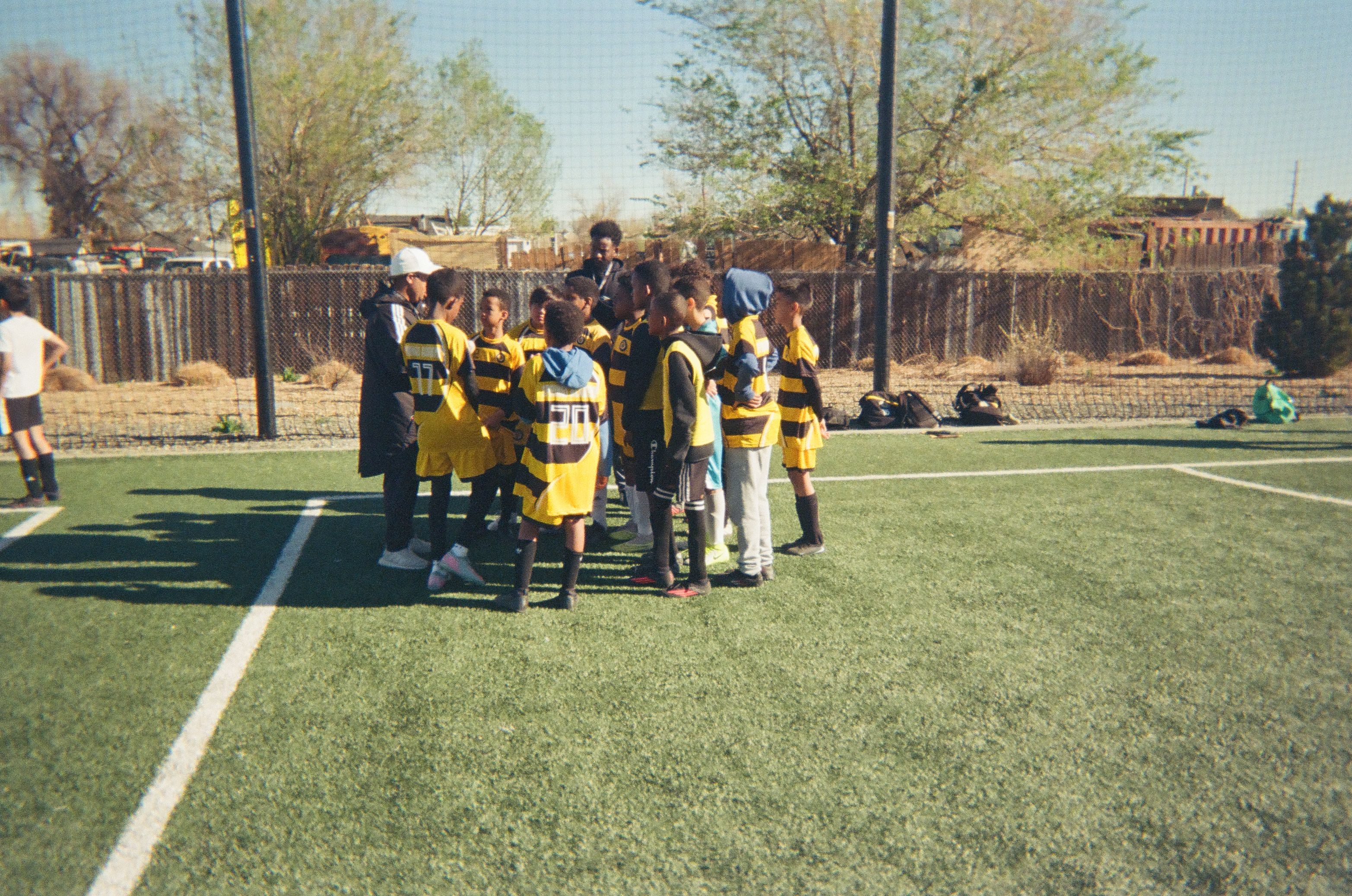
We also run Saturday programming for elementary schools so kids and their families can come together. Those Saturday moments are powerful - full of pride, passion, and community.
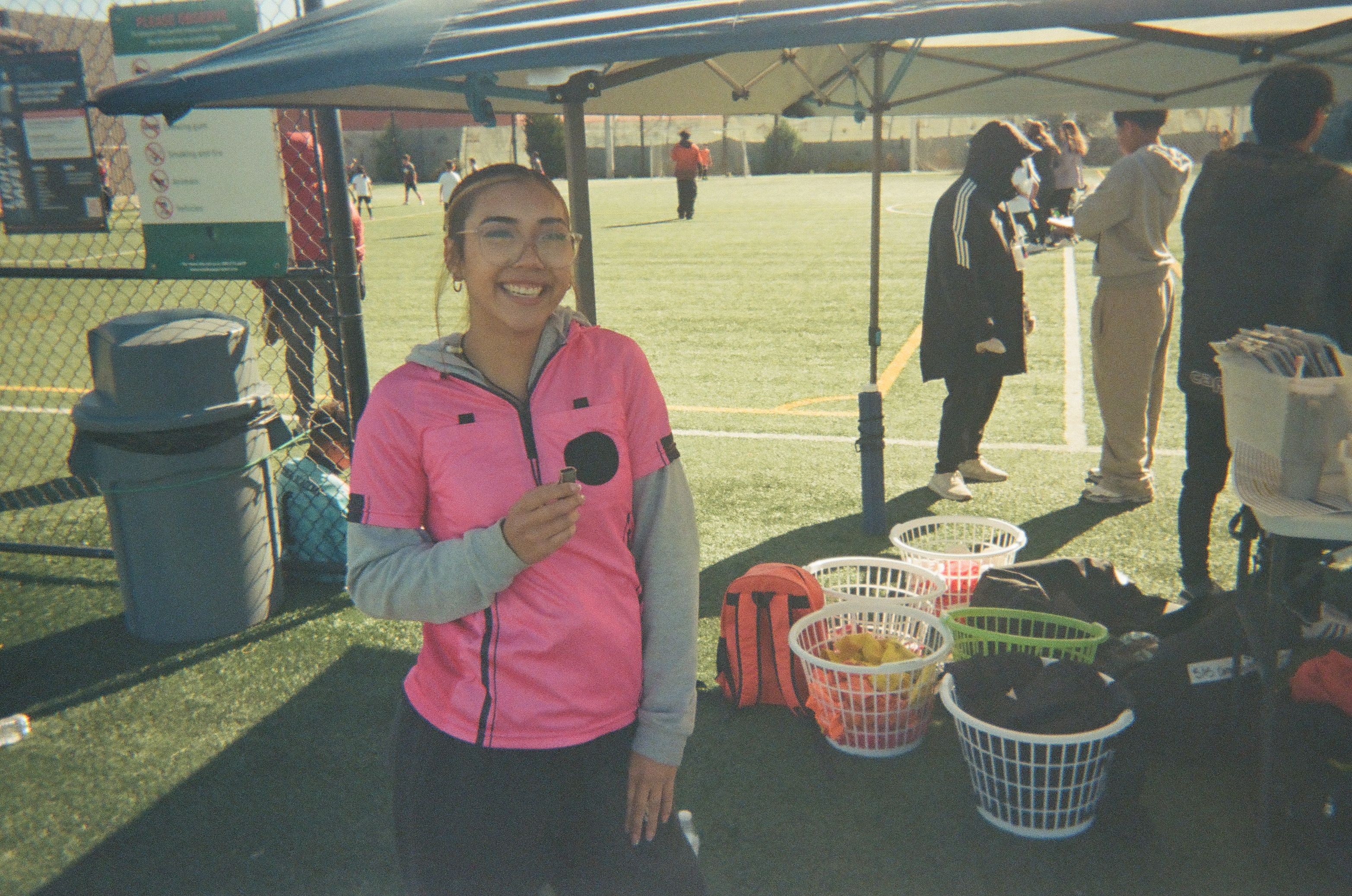
The kids are the stars of the day, bringing pure joy, great sportsmanship, and excitement to the game. The educators, community members, and Soccer City staff dedicate their Saturdays to ensure the kids receive the patience, love, and care they need to have a great experience with soccer.
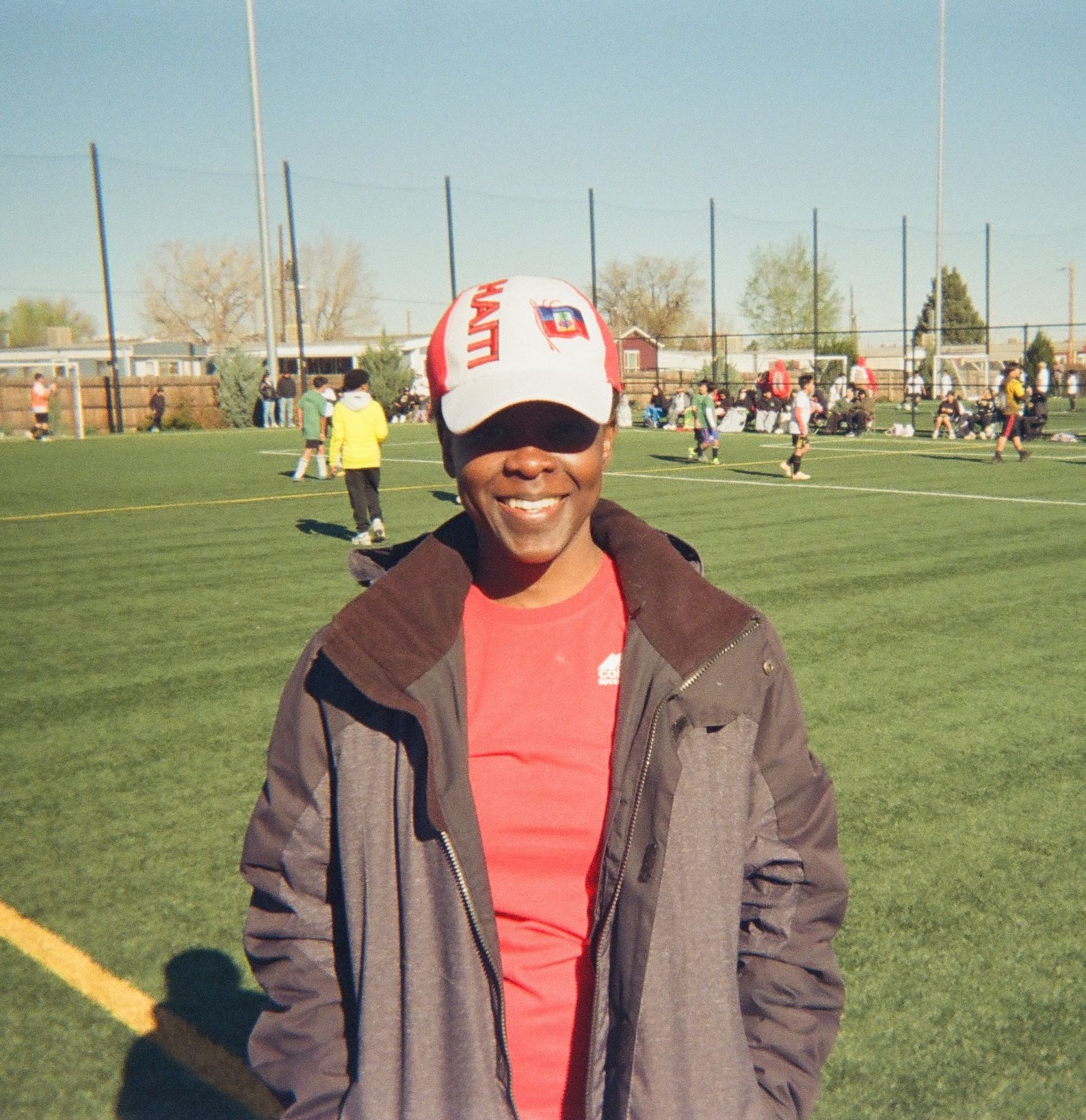
Their parents and family members are the icing on the cake. They show up with immense pride, supporting their children and their teammates with love and enthusiasm.
We strive to give our community the same high-quality experience that any soccer club or program in the city can provide. And while you are there, you may also catch a little la cultura and enjoy some great food while watching the beautiful game.
Seen, Valued, and Heard
Our community at Colorado Soccer Foundation is real. We take time to understand people’s journeys.
Some of our members do not feel safe or welcome everywhere, but they know they are safe and welcome here and that matters. We make sure people feel seen, valued, and heard, whether that is through culture, music, language, or simple things like greeting them by name.
Life is not perfect for many of our players, but we try to support them in processing and navigating those challenges. We meet them where they are and love them for who they are.
The score that matters to me is love over hate. Humanity over dehumanization. Restoration over vengeance. I choose love.
Goal Click is collaborating with U.S. Soccer on a new storytelling series as part of the Keeping Score of What Matters campaign. The series will spotlight untold stories within clubs, organizations, and communities supported by Soccer Forward, focusing on the diverse ecosystem of soccer and its use as a force for good.
The Colorado Soccer Foundation creates access to the game for all. Through inclusive programming at Soccer City, it provides a safe space where players of all backgrounds can grow both on and off the pitch.
Will Baird is a Supervisor at Soccer City and leader of the Young Adult Advisory Council who is dedicated to using soccer to build connection and community.
STAY IN THE LOOP
Want to stay up to date on the latest updates, resources, and community news from Soccer Forward? Join our network and be the first to know what’s new.
Spot something we can improve? Share your feedback.
Make or Break
One of my first memories of the sport is an equipment check where I was told my cleats were illegal because they had toe and side studs. I was embarrassed and devastated and told my mom I could not play. My mom always found a way and she literally cut the cleats with a knife so I could play. When I got back, the only position left was goalie, and I was so sad because when you are a kid playing rec soccer, that is the last spot you want.
It was a cold fall morning, and during the game I got hit in the face and had a bloody nose. I did not enjoy it at first, but my mom did not let me quit. She signed me up again in the spring, and I met Coach Darrel Nickels.
He saw something in me and was the first person (besides my mom) to tell me I was a good player. Coaches make or break the experience, and he inspired me and helped shape who I am.
I also had to overcome being one of the few Black kids on the field, often in racist environments. I heard things from opponents, referees, and fans that were painful and frustrating. My mom always told me to be better and beat them. That built a strength in me that I have carried my whole life.
I later became a coach, and that changed my life. I started with developing players on the “C team”, where small wins meant everything.
It was not about winning, but about teaching life through the game.
I eventually coached in a program that won five state championships, but the real reward was the people those kids became. I poured everything into them as a mentor and role model.
Playing Through Pain
Soccer teaches us to work through challenges using our mind, body, and spirit. I hope our players learn how to navigate life and how to succeed, fail, and keep growing. And most importantly, to find joy and be their authentic selves.
Everyone wants to belong and feel valued. When we understand someone on a human level and create space for them, we can make a real difference.
I grew up with the pain and loss of teammates, friends, and family, but on the field, I could just be.
Two of my high school teammates died while I was still in high school in car accidents - Jeremy J. Smith and Jimmy Petersen. Losing them both was devastating. We all wore our high school jerseys at Jeremy’s funeral, and I remember the deep sadness my teammates and I felt when he passed. I was a sophomore, and it broke my heart.
We named our club team the Jimbos after Jimmy to honor him. He was one of the first guys to welcome me to varsity when I made it as a freshman. He was like a big brother to me, and losing him was soul-crushing.
Brian was my first cousin, but we were raised as siblings by my mother. He was my little brother, and he looked up to me. As I reflect now, I admired him just as much as he admired me.
Brian battled lupus. When he went into a coma my freshman year of college, I could not accept that he was gone. His death was by far the lowest moment of my life. My friends Doza and Chris Siewak held me up and were the main reasons I fought through the depression and grief.
After Brian died, I left the States for a study abroad trip to Spain. It was what I needed at the time. Then the unthinkable happened.
Doza is one of the hardest losses I have ever taken. We spent all our time together, and he was my best friend in life. He died of a heart attack while we were in college, while I was studying abroad in Spain. I could not afford to fly home for his funeral, and that was one of the hardest things I have ever had to process and accept.
Brittany Young was also my first cousin, and like Brian, she was raised as my sibling. We were always together growing up. She was tragically murdered. She was such an inspiration to women who experienced domestic violence, and losing her broke me. I was working at Soccer City when it happened, and coming back after she passed and pouring into that community and the kids was one of the most healing things.
Soccer gave me everything. At Soccer City, we try to give that same space to other people in the BIPOC (Black, Indigenous, and People of Color) community - a place where they can just be and take what they need from the game.