26 USMNT Moments, Past to Present: A League Is Born
Major League Soccer (MLS) launches on the heels of the 1994 FIFA World Cup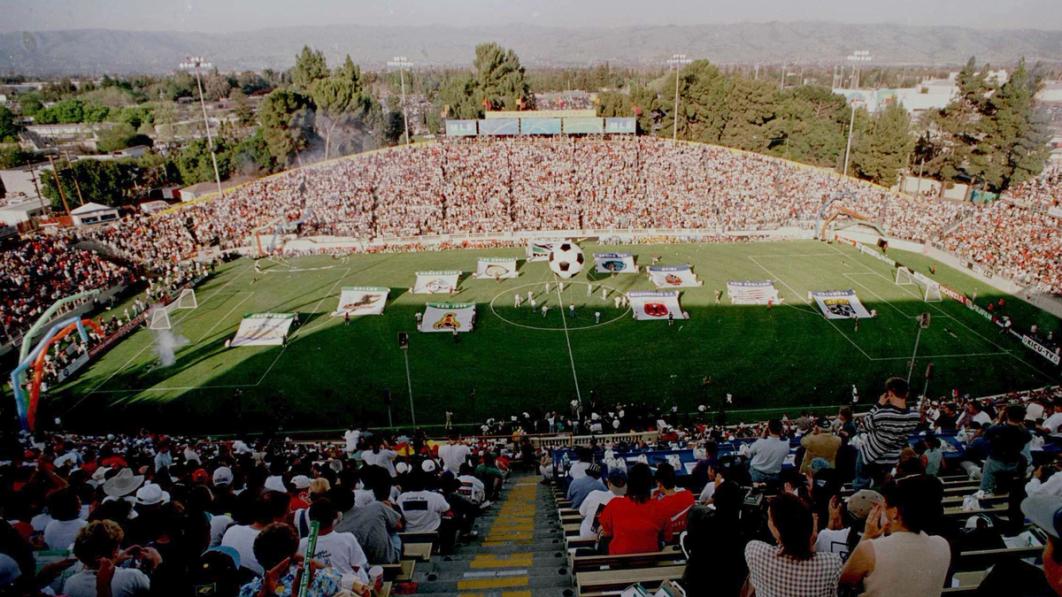
This is 26 USMNT Moments: Past to Present, a U.S. Soccer content series that covers 26 defining moments in U.S. Men's National Team history. From inspired victories to stunning goals, and the stars and hidden heroes who made them possible, each chapter reminds us that our dreams on the pitch are worth chasing. Together, they’ve built toward the biggest moment yet: the 2026 World Cup on home soil.
On July 4, 1988, when FIFA awarded the United States the 1994 edition of the world’s biggest sporting event, it awarded the tournament with a condition: The U.S. needed to establish a top-flight professional soccer league of its own.
The North American Soccer League, which kicked off its first season in 1968 and drew heralded international stars like Johan Cruyff, George Best, and Pelé, shut down in 1984. For 16 years, the U.S. lacked a domestic professional soccer league. While the NASL left a void at the top of the soccer pyramid, the World Cup coming to American soil opened the door to attract new soccer fans and allow the surge in popularity to carry over into local franchises.
Enter Major League Soccer.
Initially, U.S. Soccer planned for MLS to kick off its inaugural season in 1995, right on the back of the 1994 World Cup. Many USMNT players took up a role in 1994 that was part soccer player, part marketing presence, to capitalize on the momentum of playing World Cup host and create recognizable stars for American sports fans to follow and cheer for.
Tab Ramos, a starter for the USMNT during the 1994 World Cup, was the first player signed by MLS and joined the New York/New Jersey Metrostars. Some of the other National Team players who became part of the league were Alexi Lalas (New England Revolution), Tony Meola (NY/NJ Metrostars), Eddie Pope (D.C. United), Marcelo Balboa (Colorado Rapids) and Cobi Jones (Los Angeles Galaxy).
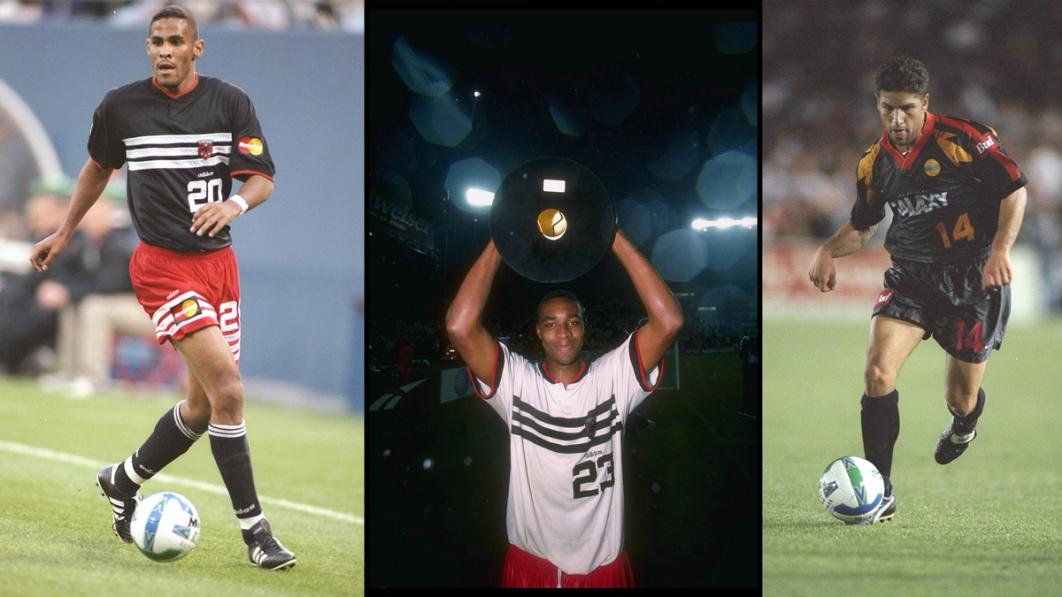
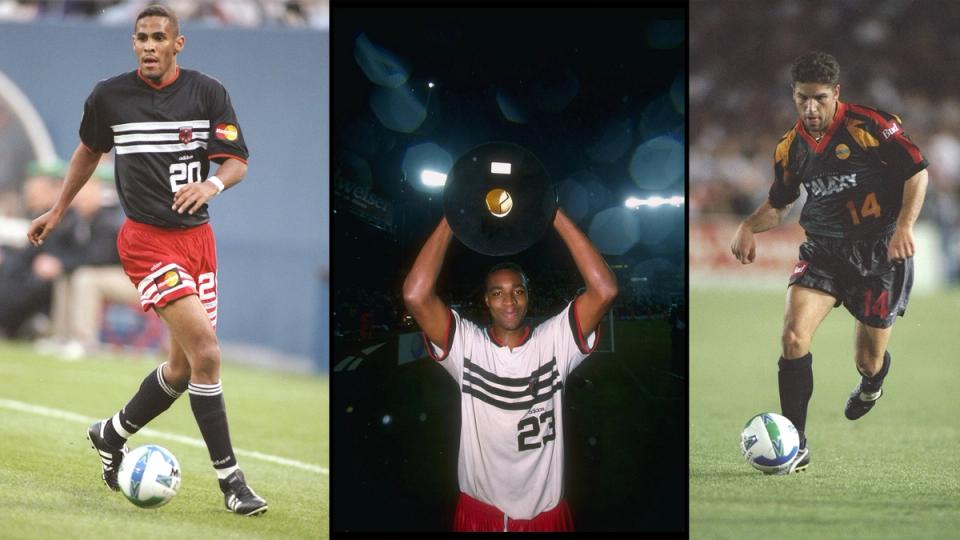
The league attracted talent from all over the globe, too. Jorge Campos (Mexico), Marco Etcheverry (Bolivia), Roberto Donadoni (Italy) and Carlos Valderrama (Colombia) were top-flight talents drawn to MLS for the inaugural season.
“It was actually kind of remarkable that those were players that came to MLS and helped us start the league,” former L.A. Galaxy, D.C. United and current San Jose Earthquakes head coach Bruce Arena told MLSSoccer.com.
Due to a number of factors, MLS delayed its official start date by a year. That left plenty of time for the league to prepare its launch in earnest.
The league launched with 10 teams: Colorado Rapids, Columbus Crew, Dallas Burn, D.C. United, Kansas City Wiz, LA Galaxy, New England Revolution, NY/NJ MetroStars, San Jose Clash and Tampa Bay Mutiny.
All but one of the original 10 teams still exist to this day, 30 years later. Dallas Burn is now FC Dallas, Kansas City Wiz rebranded to Sporting Kansas City, NY/NJ MetroStars is now Red Bull New York and San Jose Clash is now the San Jose Earthquakes. Tampa Bay Mutiny officially folded in 2002, alongside the other Florida club Miami Fusion. However, soccer soon took root in Florida, and the Sunshine State is now the home of two MLS clubs: Orlando City SC and Inter Miami CF.
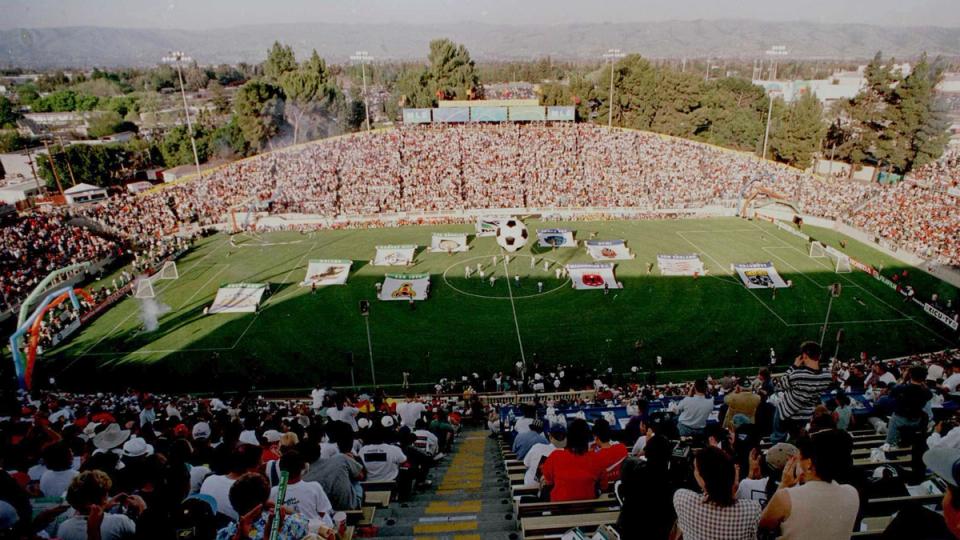
In April 1996, the first whistle blew, signaling this exciting new era in American soccer history. San Jose Earthquakes faced D.C. United for the inaugural MLS match.
U.S. Men’s National Team forward Eric Wynalda kicked off the league’s debut in style. In front of over 30,000 fans at Spartan Stadium in San Jose, Wynalda and the Clash broke a scoreless draw with D.C. United in the 88th minute. Wynalda drove down the left side of the 18-yard box, cut the ball back onto his right foot, beat a defender and curled the ball into the far corner of the net. With that goal in front of a sellout crowd, MLS officially had its first goal scorer nearly eight years after the United States won its bid for a World Cup.
“When that day opened up, it was almost like a dream coming true,” Phil Shoen, play-by-play announcer who called the inaugural match, told MLSSoccer.com. Just the vividness of the colors – the blue of the sky, the green of the grass – it just burned itself into my memory. To see everyone lined up for the opening presentation, all that pomp and circumstance, it felt like my heart was beating about 1,000 beats a minute and I could hardly wait for the game to start.
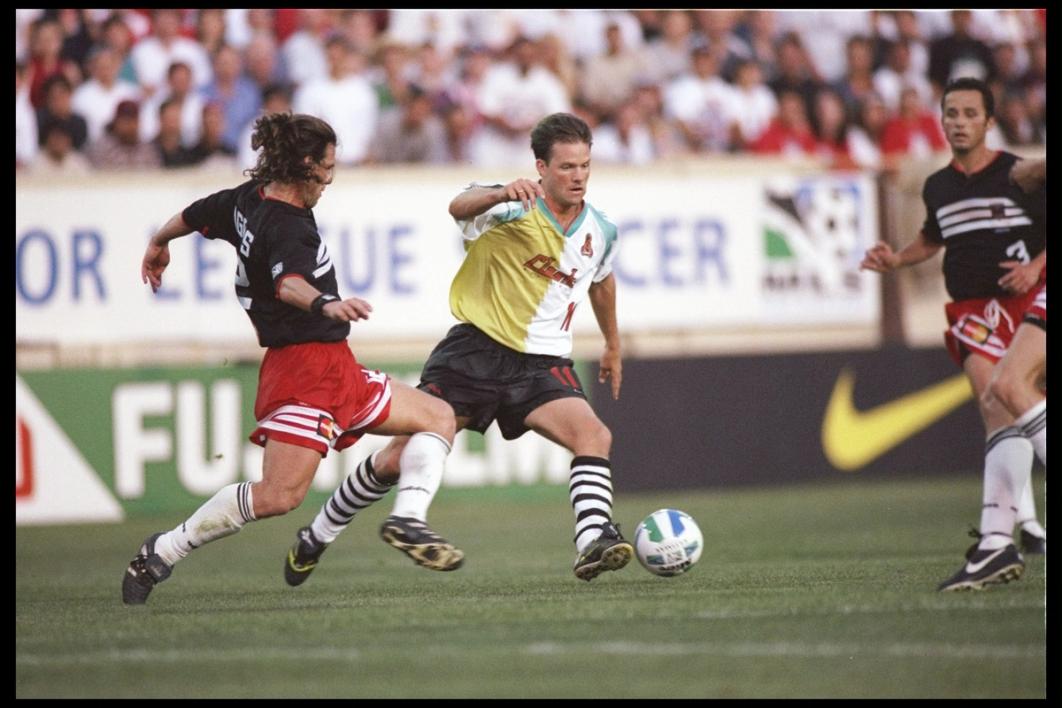
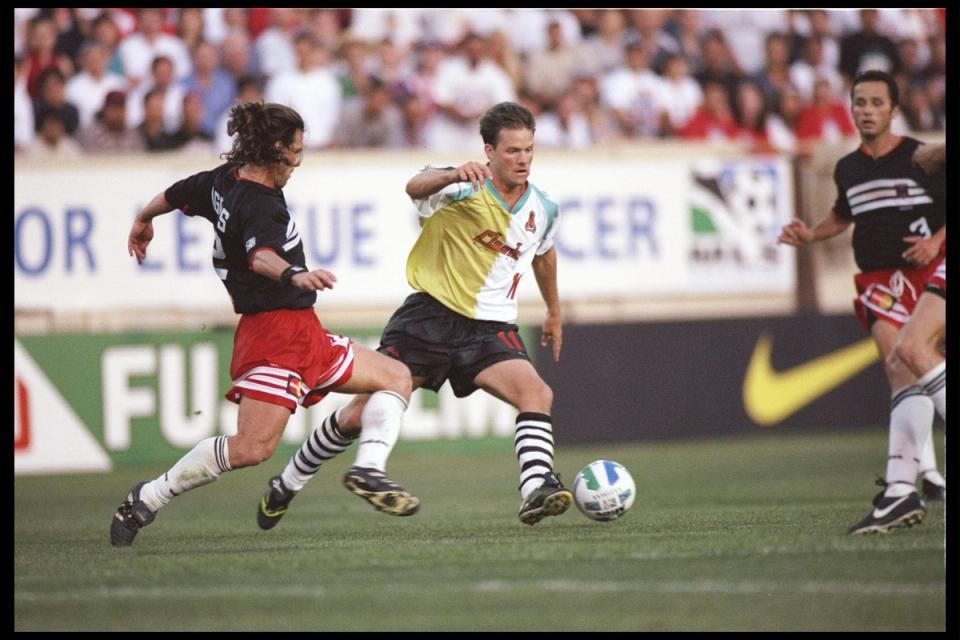
Six months later, a future USMNT regular decided the league’s first champion. Pope’s 94th-minute goal for D.C. United delivered D.C. a 3-2 win over the LA Galaxy in the first MLS Cup.
Valderrama earned the first-ever award for MLS MVP.
Nearly 3.1 million fans attended an MLS match in 1996. There were plenty of ups and downs still to come for the league, but the launch, set the tone for a league that’s now been running for 30 years and has expanded to an incredible 30 teams.
Three of those original 10 teams are the most successful in league history. LA Galaxy has captured a league-record six MLS titles (2002, 2005, 2011, 2012, 2014, 2024), followed by D.C. United with four (1996, 1997, 1999, 2004) and Columbus Crew with three (2008, 2020, 2023).
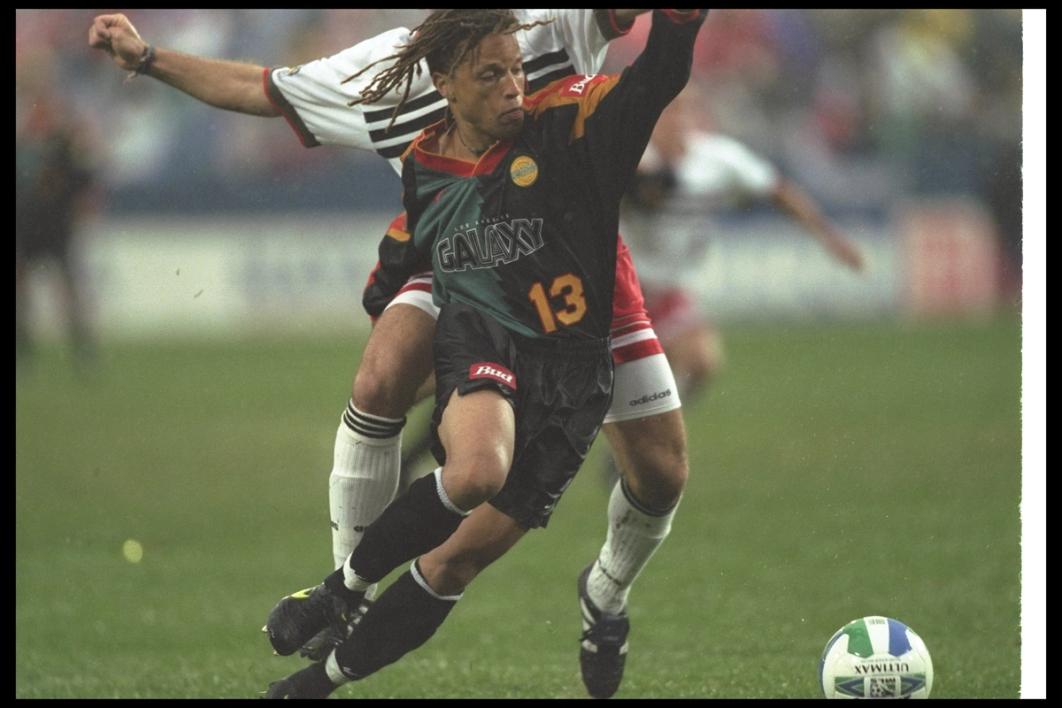
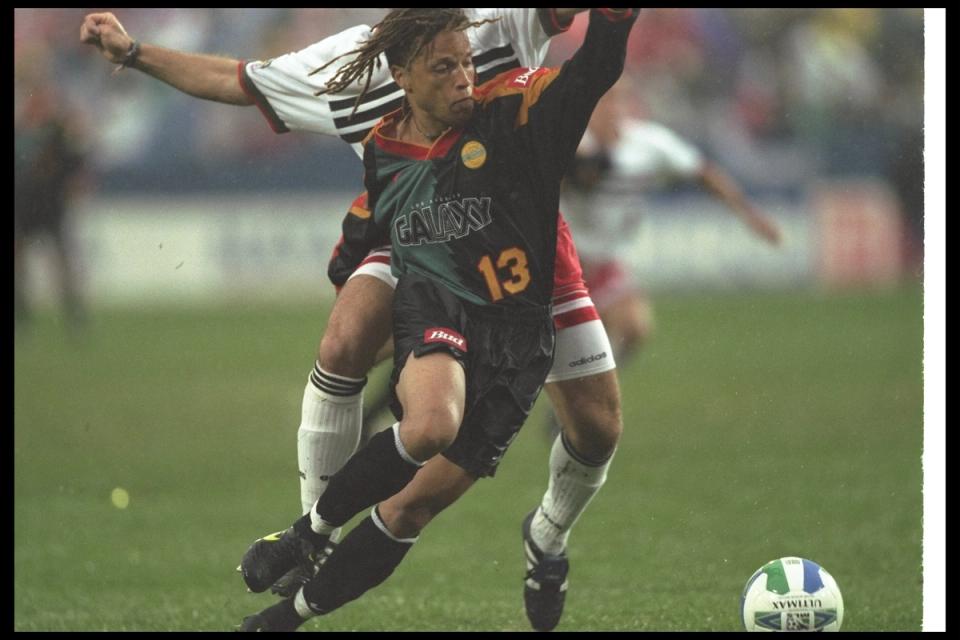
As much as the league has seen growth, it’s also seen change. The MLS Cup Playoffs evolved from an eight-team, single-elimination playoff in its inaugural year to a multi-round, high-stakes playoff bracket that includes a first round Best-of-Three series.
The league also changed its format in penalty kicks. In 1996, the league featured PK shootouts, where a player began with the ball 35 yards from goal and took the goalkeeper on 1v1. Now, a player takes a kick from the penalty spot to align with FIFA’s traditional PK shootout rules.
Soon, MLS soccer will undergo another major change. Beginning in the summer 2007, MLS will shift to a summer-to-spring format that aligns with other major soccer leagues throughout the world.
"The calendar shift is one of the most important decisions in our history," said MLS Commissioner Don Garber.
Last year, over 11 million fans attended an MLS match. This time, when the United States put in a bid to host the 2026 World Cup, it didn’t have anything to prove about whether soccer would be embraced. Thirty years ago, a league was born from ambition, vision, and the belief that soccer could thrive in the United States. And it’s been growing ever since… one goal at a time.
Sam Jones covers MLS for MLSsoccer.com, and Atlanta United and NWSL Atlanta for FiveStripeFinal.com. Sam has covered MLS and Atlanta United since 2017.