26 USMNT Moments, Past to Present: Soccer Saved by Vision
Phil Anschutz, Lamar Hunt, Robert Kraft save Major League Soccer in 2001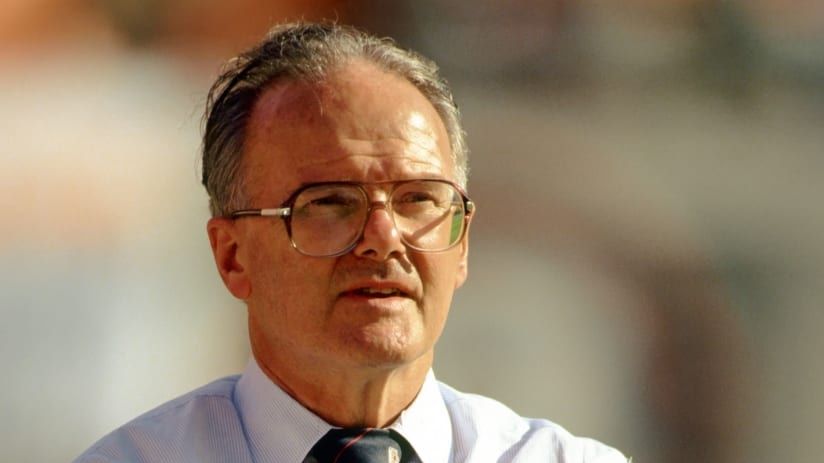
This is 26 USMNT Moments: Past to Present, a U.S. Soccer content series that covers 26 defining moments in U.S. Men's National Team history. From inspired victories to stunning goals, and the stars and hidden heroes who made them possible, each chapter reminds us that our dreams on the pitch are worth chasing. Together, they’ve built toward the biggest moment yet: the 2026 World Cup on home soil.
As many as 50 players from MLS teams could be selected for teams that will play in FIFA World Cup 2026™.
There is no greater measure of the quality of a league than its players competing on the sport’s grandest stage.
It’s a long way, filled with years of adapting, pivoting, learning and growing, from when MLS almost shut down in 2002 because of a lack of interest and money, reportedly $250 million in the red after its first six years.
In stepped Phil Anschutz, Lamar Hunt and Robert Kraft—the three men took full ownership of the league’s 10 clubs, solidifying its operations to keep it and the game in the U.S. alive.
“It's my very first day on the job and we're having a league call in November and the league folded,” Clark Hunt, son of Lamar, told ESPN Soccer Today in 2016. “On my very first day on the job, it went out of business.”
Hunt, who owned Columbus and Kansas City, worked the phones. Within days, the owners expressed solidarity.
A plan was formed.
The league announced in January 2002 that it would fold the Miami Fusion and Tampa Bay Mutiny.
There was more news.
A five-year extension of its broadcasting deal with ABC and ESPN was announced. Soccer United Marketing (SUM), reportedly Anschutz’s idea, was formed. TV rights for the 2002 and 2006 World Cups were secured. Owners were encouraged by Anschutz and incentivized to build soccer-specific stadiums. Twenty-four years later, all but four MLS teams play in soccer-first stadiums. Anschutz would own as many as six teams for a period of years. He still owns the LA Galaxy.
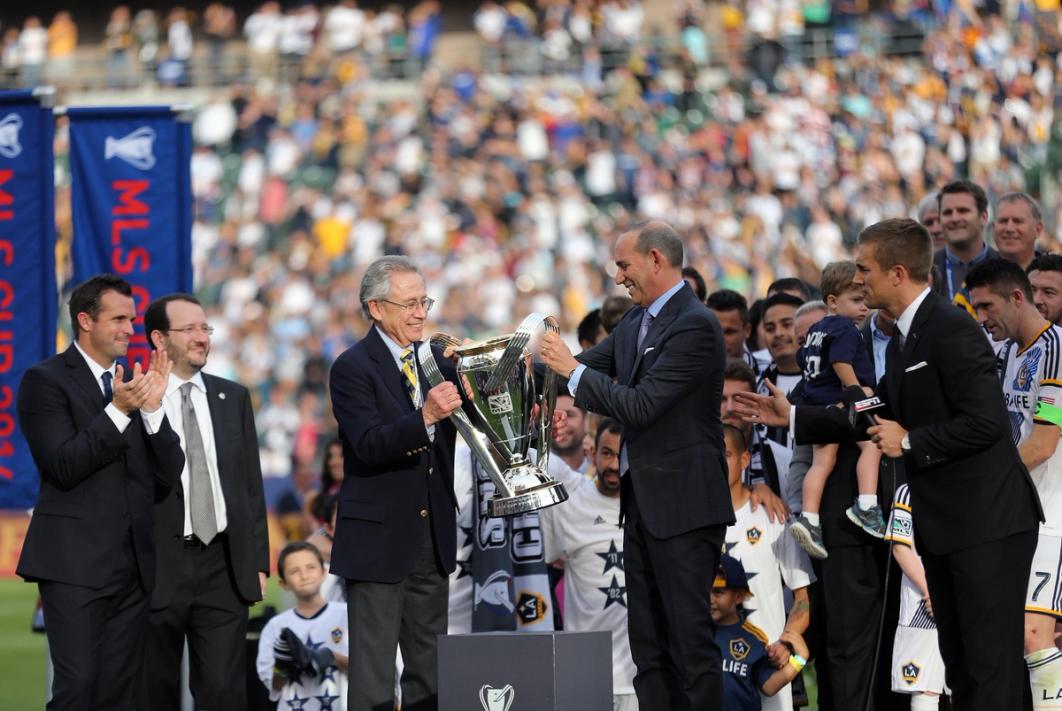
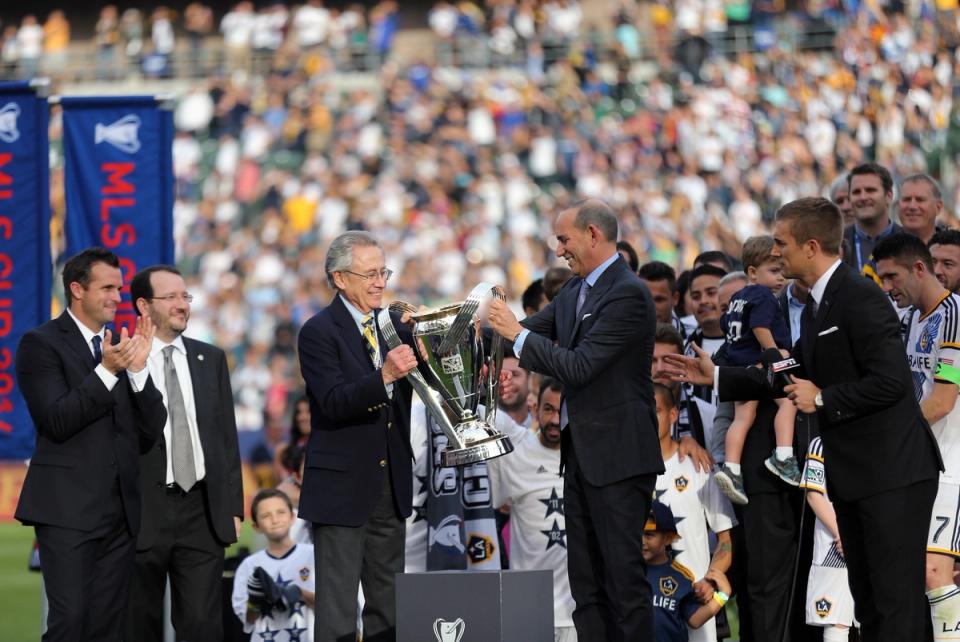
“It took some time for those investments to bear fruit,” MLS president Mark Abbott told MLSsoccer.com in 2012. “But we made a point for people to know that this was not a decision to retreat – it was a decision of investment in our future.”
The USMNT’s run to the quarterfinals of the 2002 World Cup was the payoff on the bet that Anschutz, Hunt and Kraft made just months earlier. It helped accelerate the growth of soccer in the U.S., just as it did when the country hosted the tournament in 1994 and just as many predict will happen when the country co-hosts the tournament this summer.
Three years after contraction, the league grew again. Real Salt Lake and Chivas USA were added in 2005. San Jose was relocated to Houston in 2006. Toronto was added in 2007. The list kept growing to the 30 teams in the league today and no longer is there a worry of if MLS will survive. Now it’s about how much it can still grow.
“Ultimately, to get where we wanted to go, we knew we had to grow the league beyond 10 teams,” Abbott told MLSsoccer.com. “There is no question in my mind that without (those decisions in 2002), the league would not be where it is now.”
Doug Roberson is the owner and reporter for Soccer with Doug, a website focused on professional soccer in Atlanta. Doug has covered the sport in the city for the past 17 years. He also has the Soccer with Doug podcast.
Follow SoccerwithDoug on social media on X, Instagram, Facebook, Bluesky, YouTube