Hallowed Grounds: Notable U.S. Open Cup Final Venues
Columbus’ ScottsMiracle-Gro Field will become the 70th venue to host the U.S. Open Cup Final on Oct. 21 when the Columbus Crew hosts St. Louis CITY SC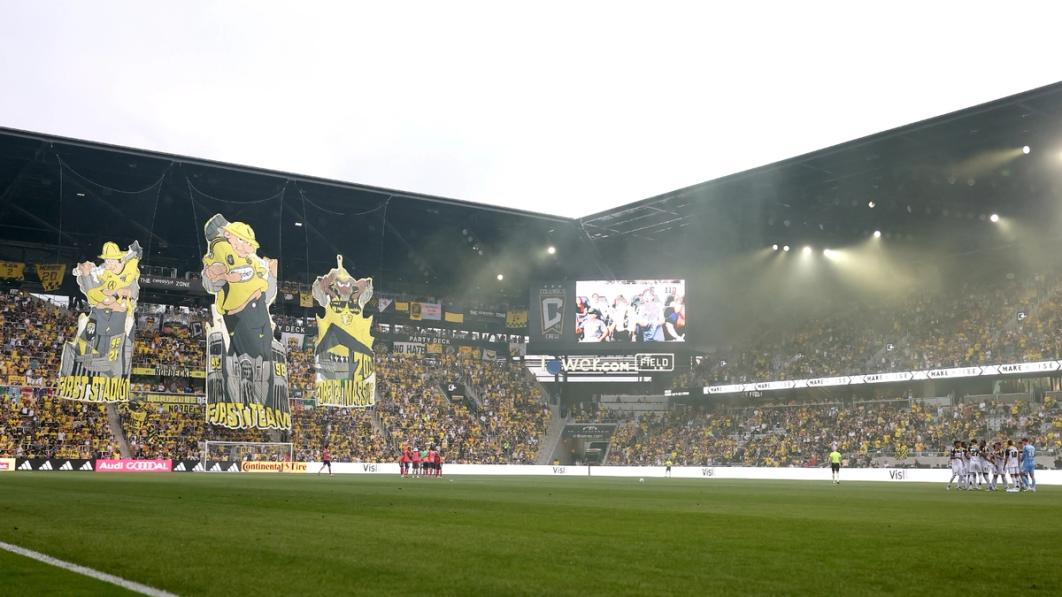
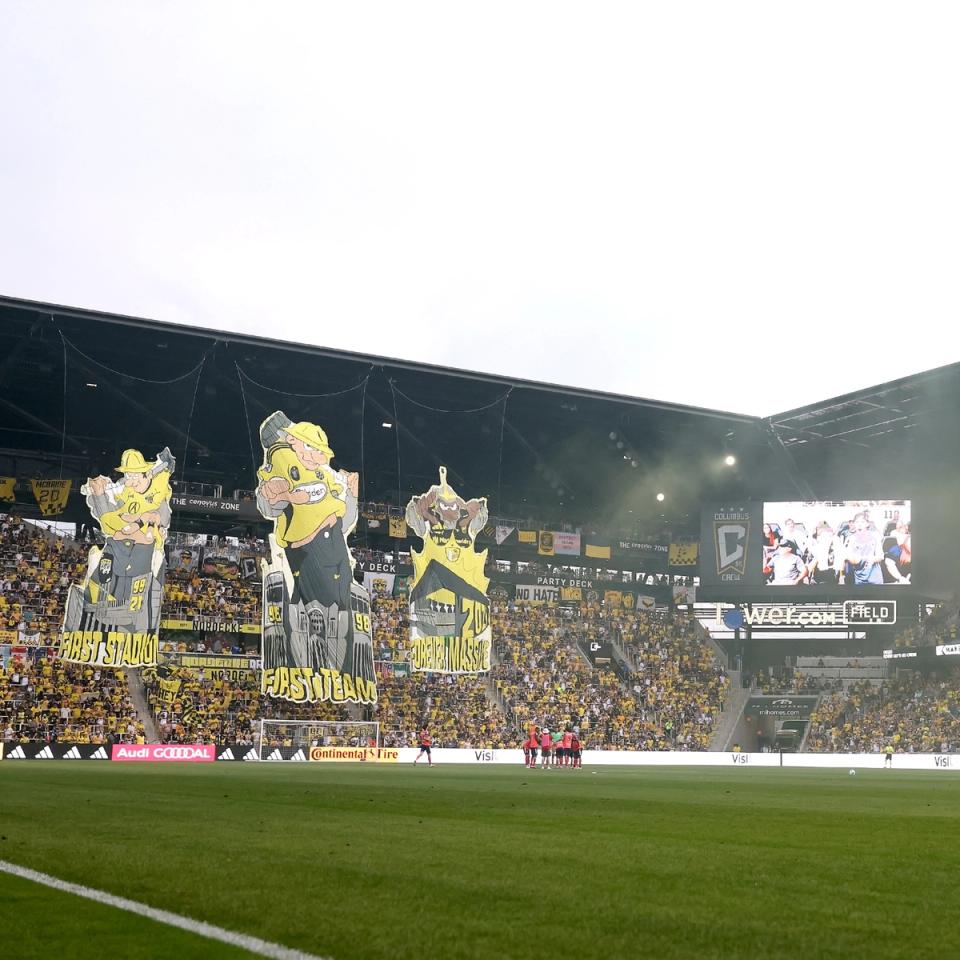
When the Columbus Crew faces St. Louis CITY SC on Oct. 21, ScottsMiracle-Gro Field will become the 70thvenue in the 113-year history of the Lamar Hunt U.S. Open Cup to host the tournament’s crowning contest. From temporary wooden structures to the titanic venues of the 20th century, the complexion of U.S. Open Cup Final venues has changed quite a bit. One thing that hasn’t changed, however, is the stakes. Ahead of the 2026 Final, take a look back at some of the venues that have shaped the history of the nation’s oldest ongoing cup competition.
1914, 1916, 1917, 1918 (First Leg) 1934 (Second Leg), 1935 (Second Leg), 1941 (Leg 1), 1942 (Leg 2)
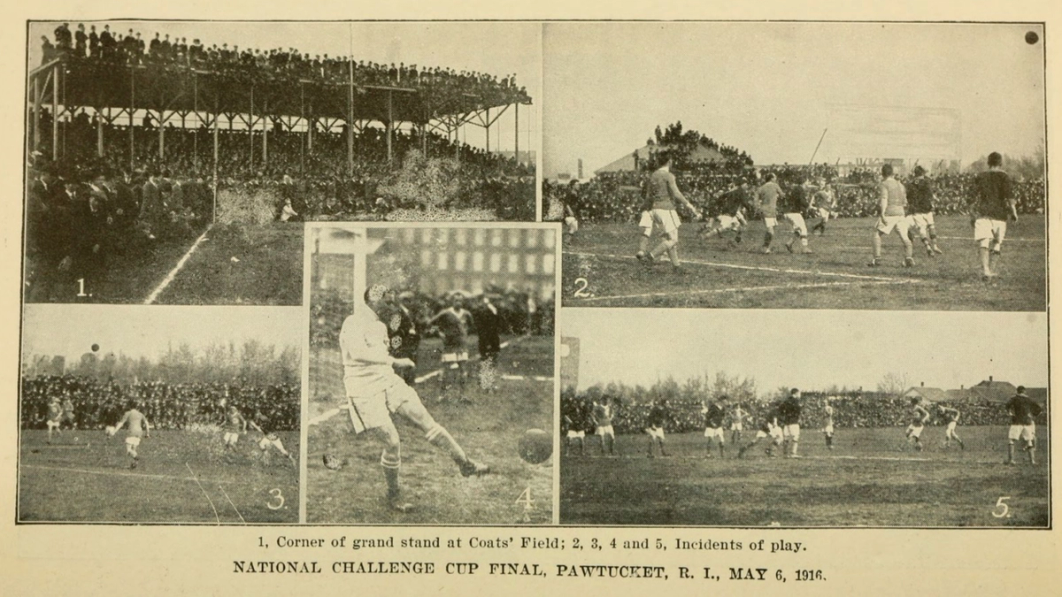
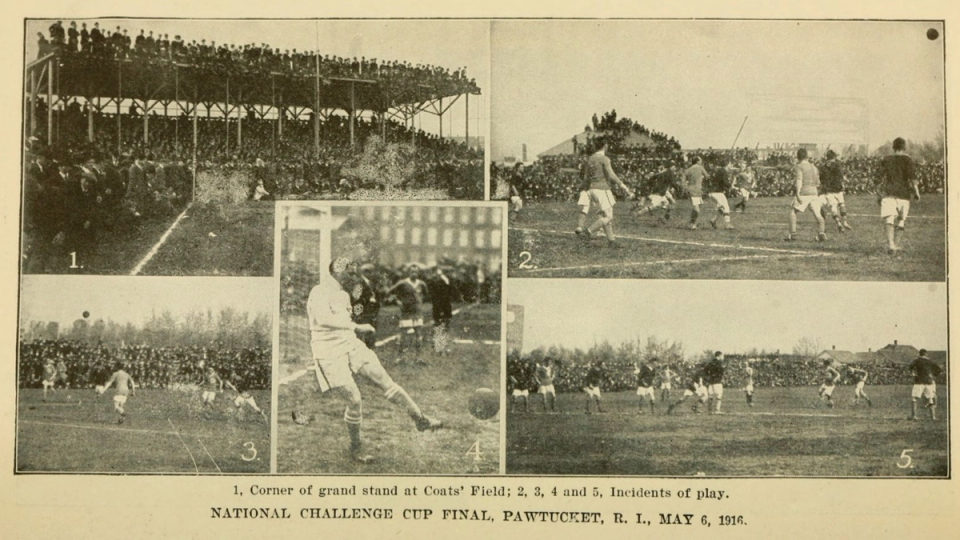
Symbolic of the birthplace of the U.S. Open Cup, Coats Field in Pawtucket, R.I. hosted the first U.S. Open Cup Final—a 2-1 victory for Brooklyn Field Club against Brooklyn Celtic on May 16, 1914—before going on to host a match in four of the first five Finals and eight in total between 1914 and 1942. The long-gone venue was known as the Lonsdale Grounds but took on the name Coats Field as it was part of threadmaking company J&P Coats’ mill complex. Even to this day, no venue has hosted more Final matches than Coats Field.
In addition to hosting the inaugural Final, Coats Field saw Bethlehem Steel win the second of its joint-record five Open Cup titles in 1916 and witnessed the emergence of St. Louis’ dominance in the Open Cup as Stix, Baer and Fuller FC/St. Louis Central Breweries FC won its second and third titles after playing a leg at Coats Field. The company which owned the ground—J&P Coats—did field a team of its own which enjoyed sustained success in the American Soccer League before finally winning its first and only Open Cup title at its own venue as the Pawtucket Rangers in 1941.
1928 (Leg 1), 1930 (Leg 1), 1931 (Leg 1), 1944
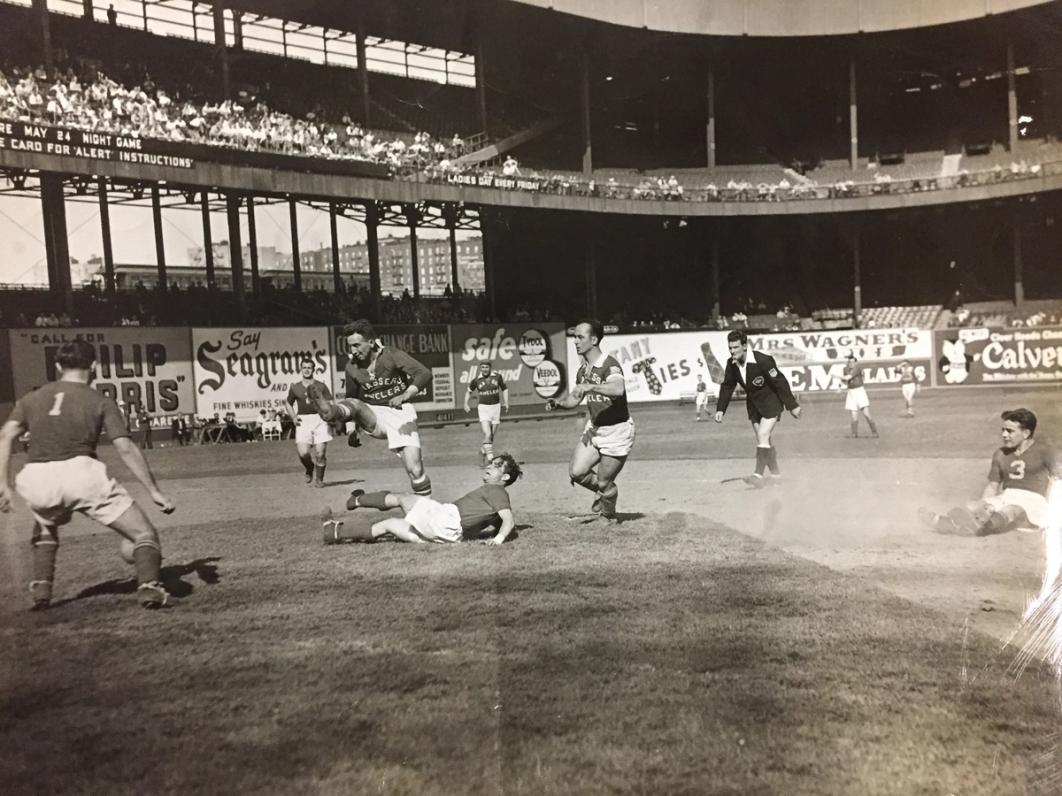
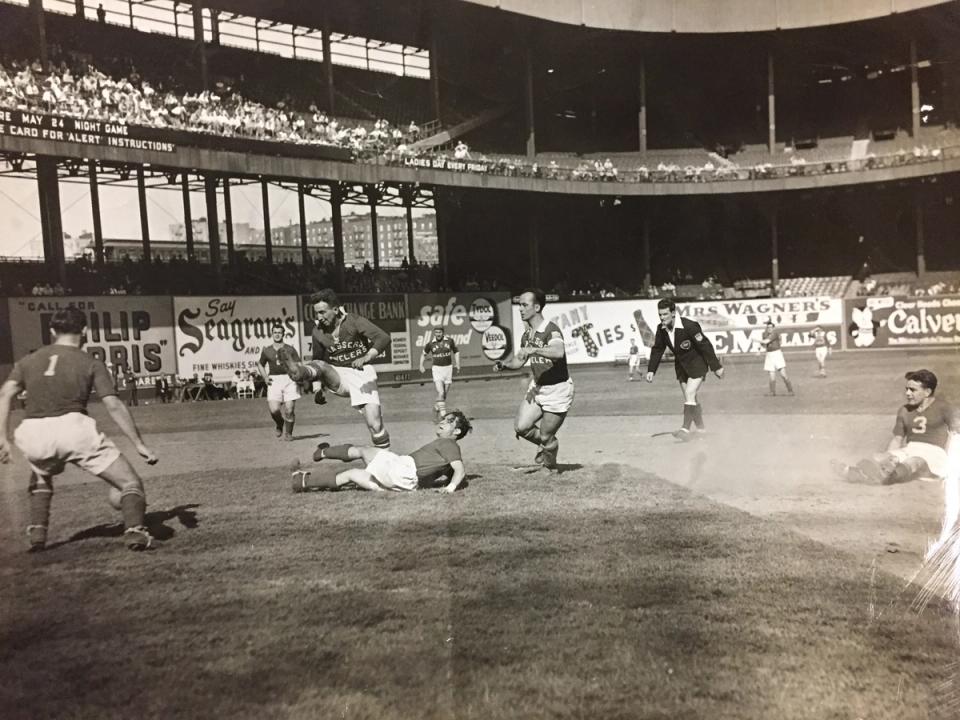
One of the most iconic stadiums in American sports history, the Polo Grounds existed through four iterations between 1880 and 1963, hosting a slew of teams representing various sports: baseball’s New York Giants, New York Yankees and New York Mets and football’s New York Giants and Titans of New York/New York Jets. Originally built for polo, the final iteration of the stadium was characterized by its unique oblong shape that made hitting home runs to center field nearly impossible.
The imposing venue in Upper Manhattan played host to four Open Cup Finals between 1928 and 1944. In the earliest Final played at the Polo Grounds, the venue hosted the first leg of the 1928 Final in which the New York Nationals—owned by New York Giants (MLB) owner Charles Stoneham—defeated the Chicago Bricklayers following a replay at Soldier Field. The subsequent Final matches played at the Polo Grounds saw the venerable Fall River Marksmen win their third and fourth Open Cup titles in 1930 and 1931, before witnessing Brooklyn Hispano win its second and final title in 1944.
1929 (Leg 1), 1932 (Leg 1), 1932 (Leg 2), 1933 (Leg 1), 1948
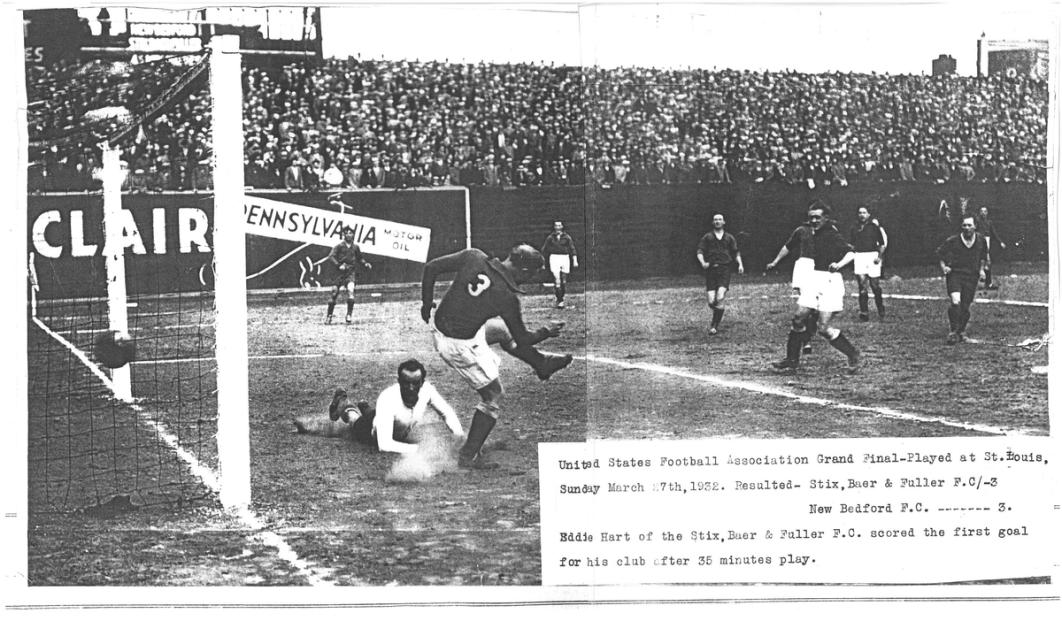
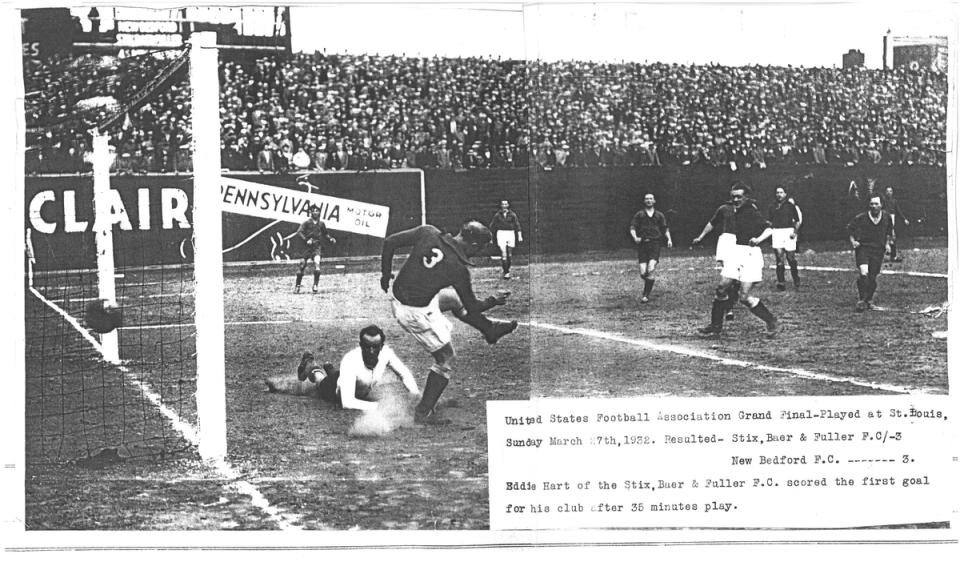
St. Louis—one the most successful cities in Open Cup history alongside New York City—joins the Big Apple as one of the most frequent hosts of the Open Cup Final. St. Louis and New York City are tied for the most Finals hosted at 24. St. Louis' two dozen Finals were scattered across a collection of venues: Handlan's Park, Sportsman's Park, Walsh Stadium, Public Schools Stadium and the still-operational St. Louis Soccer Park. Sportsman’s Park was arguably the most significant in that it was later renamed Busch Stadium in 1953 following its acquisition by Anheuser-Busch, serving as a predecessor to the second and third iteration of the St. Louis Cardinals’ current home.
Like many stadiums of its day in the early 20th century, Sportsman’s Park hosted several teams and sports throughout its multiple iterations, notably accommodating two Major League Baseball (MLB) teams in the Cardinals and Browns and three National Football League (NFL) teams in the Cardinals, All-Stars and Gunners. The venue hosted five different Finals matches, either the standalone Final or a leg of the Final. Notably, the venue saw two local teams win their first Open Cup titles: Stix, Baer and Fuller FC won the first of its three consecutive titles at the stadium in 1933. In the last Final played at the venue, St. Louis Simpkins-Ford won its first title in 1948.
1955, 1959, 1961 (Leg 1), 1966 (Leg 1), 1969, 1971, 1973
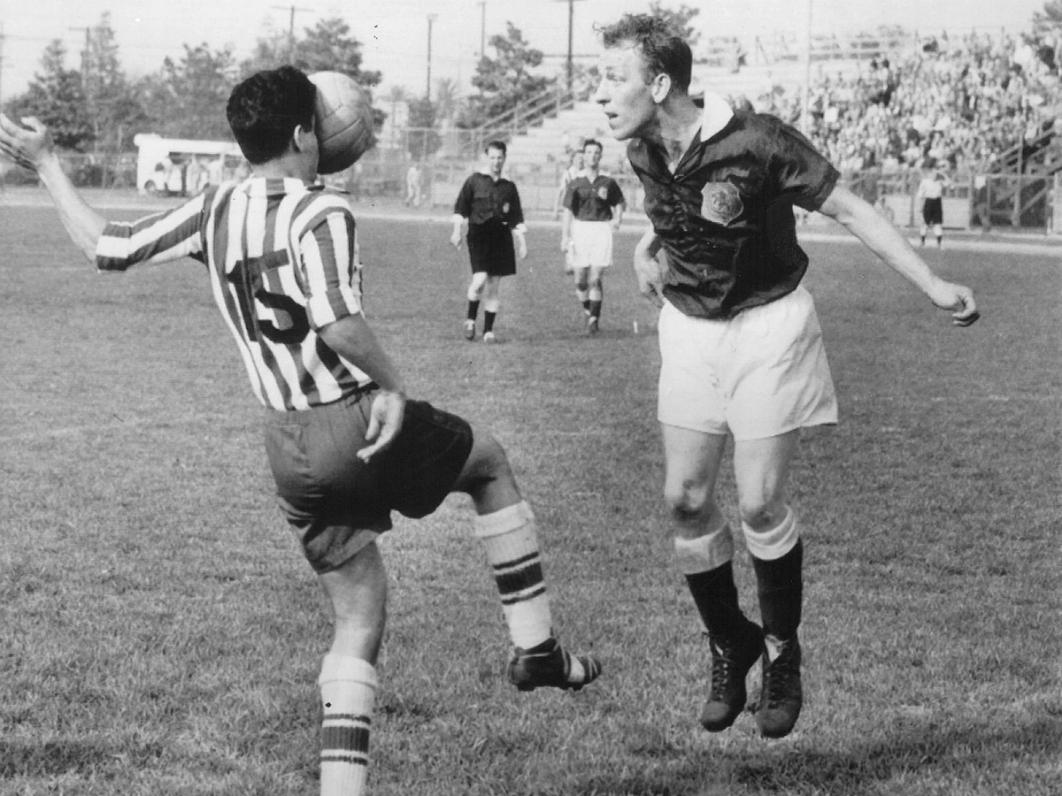
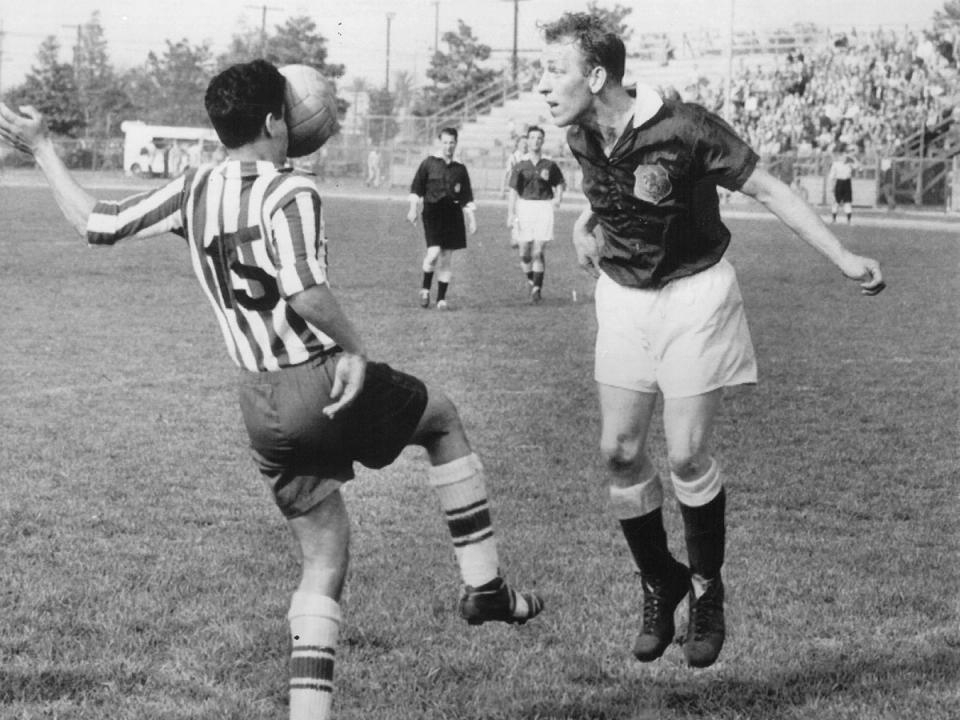
Midway through the 20th century and a decade removed from World War II, the nation’s cup competition expanded its geographic footprint in a big way. In 1954, the Open Cup welcomed teams as far west as California, and by 1955 the Open Cup Final was being played in Los Angeles at the Rancho Cienega Sports Complex. Built in 1938 by the Works Progress Administration (WPA), Rancho Cienega covered 30 acres and featured baseball and softball diamonds, tennis courts, soccer and football fields, and a 6,000-seat stadium.
Between 1955 and 1973, Rancho Cienega ushered in a West Coast surge in the Open Cup. The venue hosted seven Finals during that span—second all-time behind Coats Field—and notably played host to the thrilling 1973 Final in which Maccabee Los Angeles defeated Cleveland’s Inter-Italian, 5-3, after extra time to claim the first of its joint-record five Open Cup crowns. Additionally, four-time title-winners Philadelphia Ukrainian Nationals and New York Greek American SC both enjoyed success at the venue en route to an Open Cup trophy.
1933 (Leg 2), 1937 (Leg 2), 1938 (Leg 2), 1939 (Leg 2), 1943 (Leg 1), 1943 (Leg 2), 1945 (Leg 1)
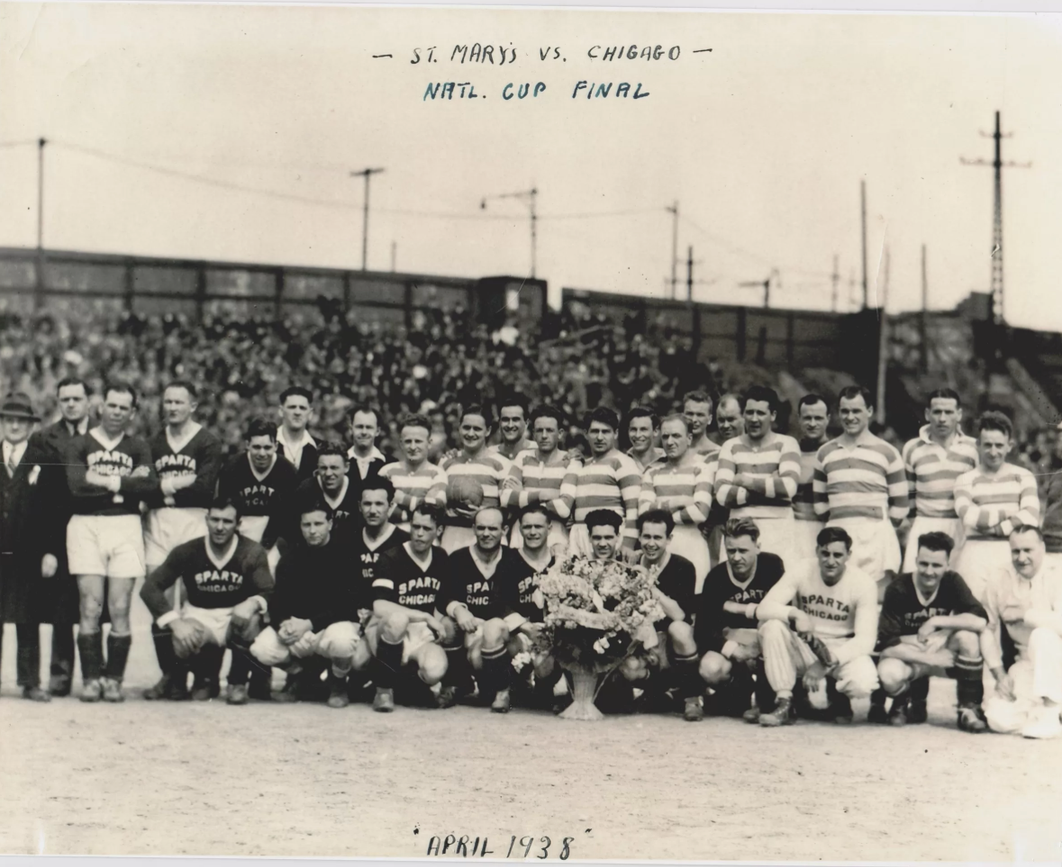
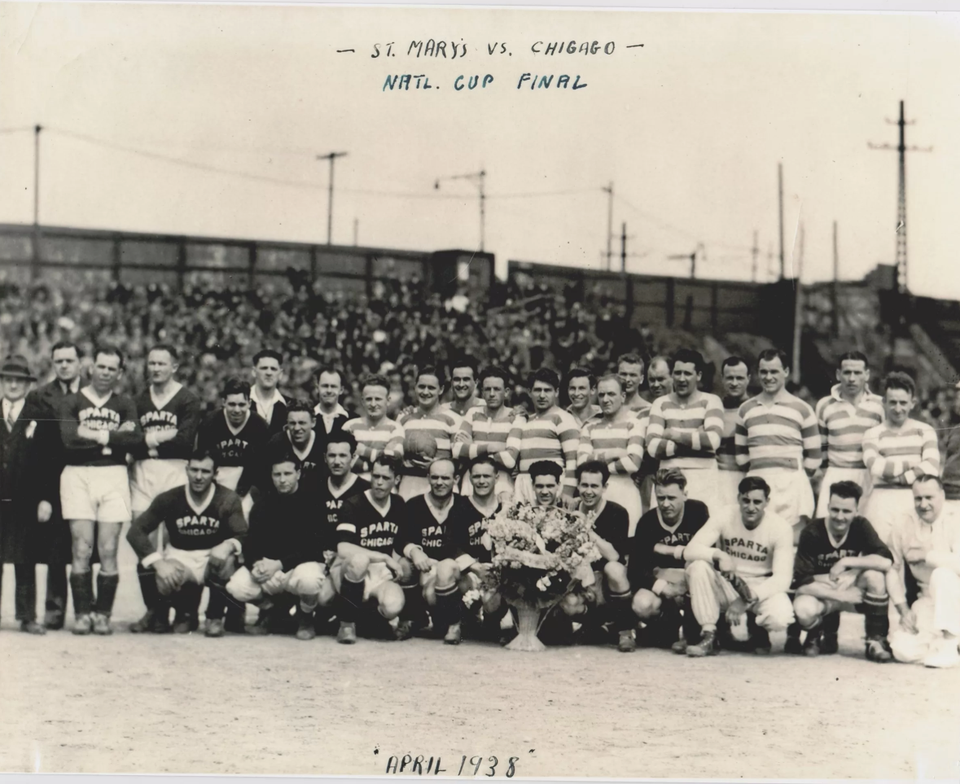
Overlooking the Bronx River in New York City, Starlight Park hosted seven U.S. Open Cup Final matches between 1933 and 1945. The area surrounding the park was initially developed in the 1918 for the Bronx International Exposition of Science, Arts and Industries, which was largely unsuccessful due to an overlap with World War I. The area was reimagined as an amusement park in 1920, became known as Starlight Park and featured attractions, rides and sports fields.
Between 1933 and 1945, the venue became an epicenter of sorts for the U.S. Open Cup Final. During that span, the venue witnessed the crowning of six first-time champions: Stix, Baer and Fuller (1933), the New York Americans (1937), Chicago Sparta (1938), Brooklyn St. Mary’s Celtic (1939), Brooklyn Hispano (1943) and Brookhattan (1945). Today, the area is a public park and still features a soccer pitch.
1951 (Leg 2), 1974, 1976, 1980
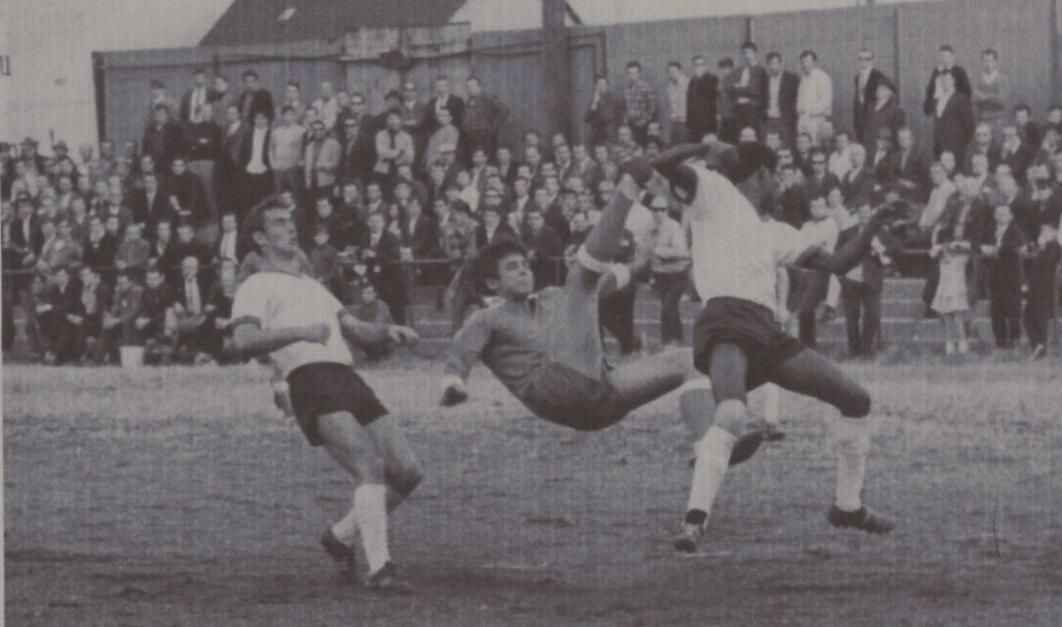
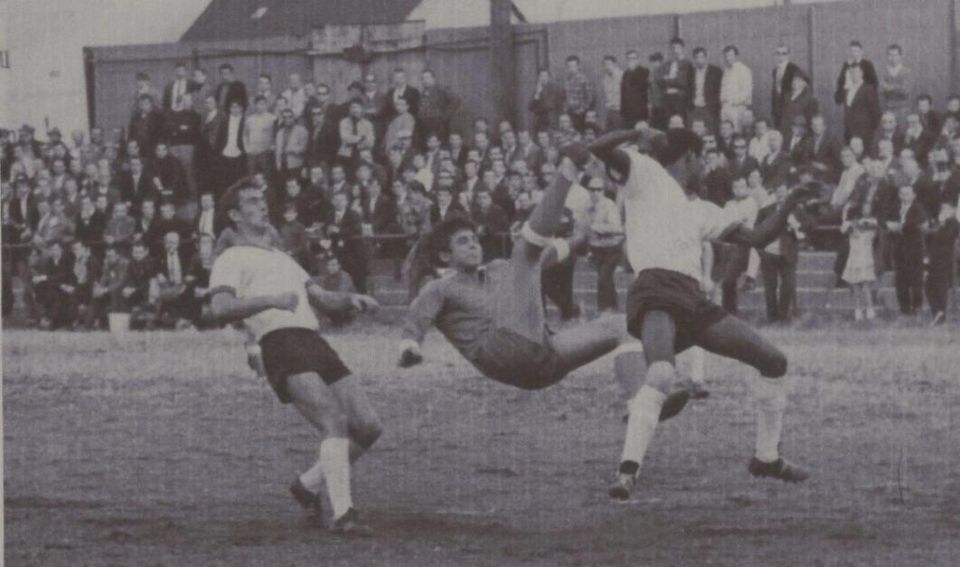
One of the oldest surviving stadiums to have hosted a U.S. Open Cup Final and one of the oldest continually used soccer venues in the country, the Metropolitan Oval was built in 1925 by German and German-Hungarian immigrants in Queens. A hub of the immigrant soccer culture that defined New York City in the 20th century, “The Dust Bowl” became the Mecca of the dominant ethnic clubs of yesteryear: New York German-Hungarians, New York Greek Americans, New York Pancyprian-Freedoms and more.
The venue hosted four Open Cup Finals: the second leg of the German-Hungarians’ victorious 1951 campaign, the Greek Americans’ fourth tournament victory in 1974, San Francisco IAC’s 1-0 win in 1976 and the Pancyprian-Freedoms’ first victory in 1980. Today, the Met Oval is still playing a role in New York’s soccer scene, serving as the home ground of MLS NEXT program Metropolitan Oval Academy.
1926
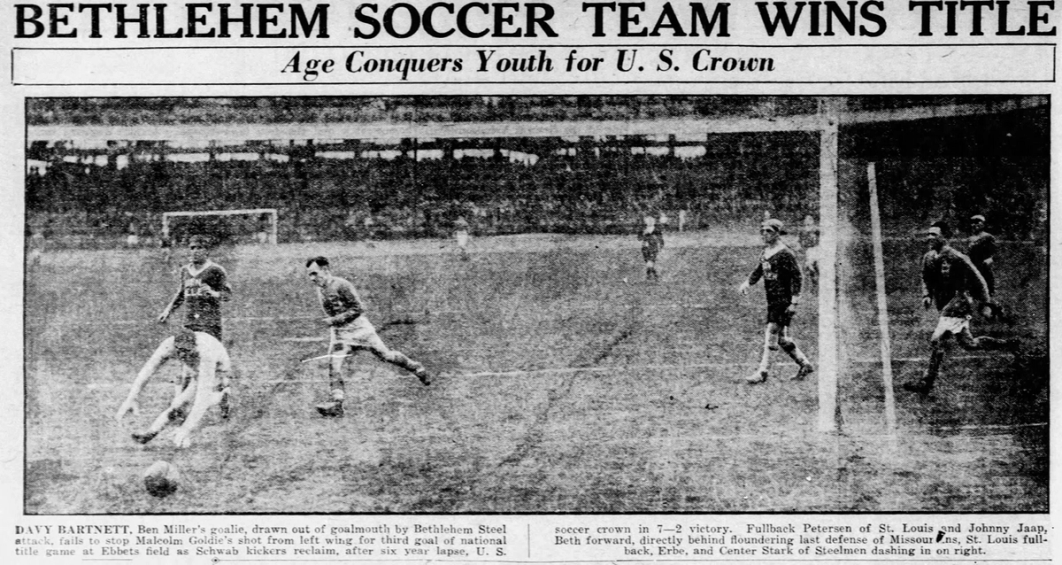
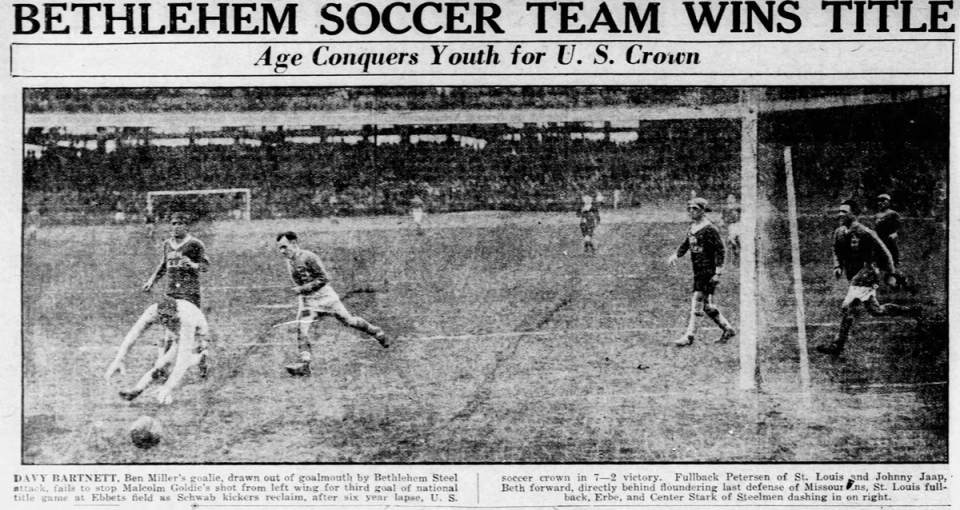
One of the most recognizable venues in American sports history, which served as the longtime home of Jackie Robinson and the Brooklyn Dodgers, Ebbets Field hosted one U.S. Open Cup Final back in 1926. That lone Final was significant for several reasons. The neutral-site clash which saw Bethlehem Steel defeat St. Louis Ben Miller, 7-2, and set a record at the time with nearly 18,000 spectators in attendance. The match also resulted in both the highest-scoring and most lopsided result in Final history to that point. Bethlehem’s victory represented the last of its five Open Cup crowns, a record that the historic Pennsylvania-based side still maintains to this day alongside Maccabee Los Angeles.
1928 (Leg 2), 1998, 2000
Nestled between Chicago’s towering skyscrapers and the banks of Lake Michigan, Soldier Field has hosted the U.S. Open Cup Final three times over the span of 72 years. Built in 1922 as Grant Park Stadium, the venue was renamed as Soldier Field in 1925 to honor American soldiers who died in World War I. Now the home of the National Football League (NFL)’s Chicago Bears and Major League Soccer (MLS)’s Chicago Fire FC, the venue has hosted a myriad of high-profile events over its more than a century of existence: speeches by Martin Luther King, Jr., Franklin D. Roosevelt, and Douglas MacArthur, college football matchups between Army and Navy (1926) and Notre Dame and USC (1927) with more than 110,000 spectators each, the inaugural Special Olympics and much more.
In addition to hosting FIFA World Cup and Copa América matches, Soldier Field hosted the Open Cup Final three times. Less than a decade removed from its opening, Soldier Field hosted a replay of the 1928 Final in which the New York Nationals defeated Chicago’s Bricklayers and Masons FC. More recently, MLS side Chicago Fire FC won the first two of its four Open Cup titles at Soldier Field, defeating the Columbus Crew after extra time in 1998 before downing the Miami Fusion in 2000.
1996, 2008, 2009
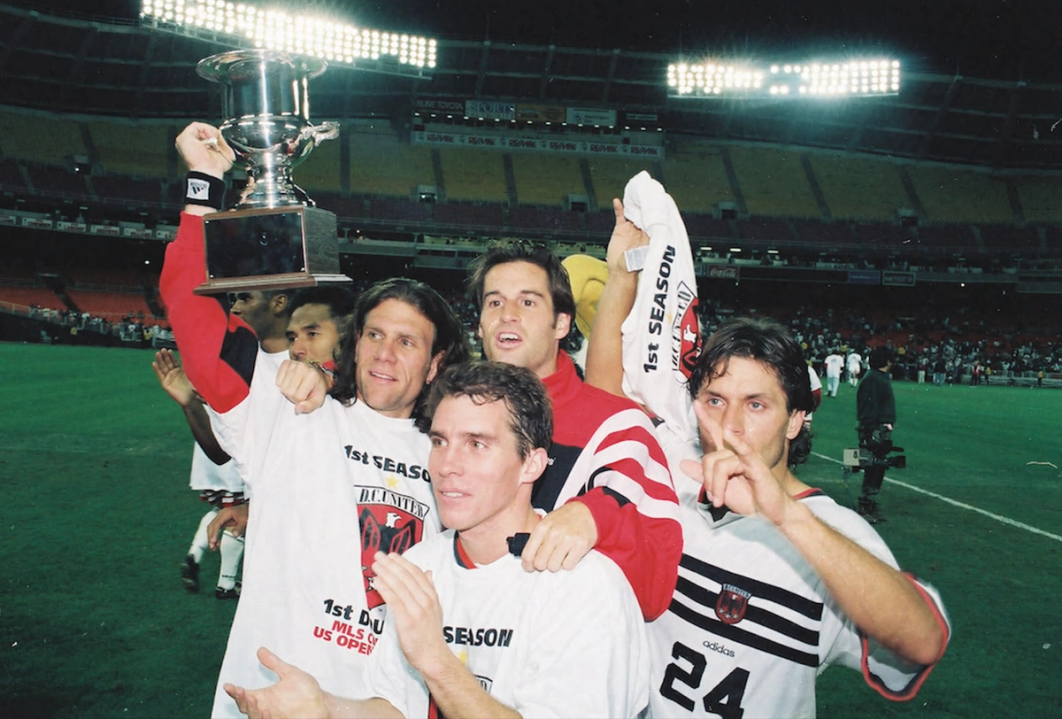
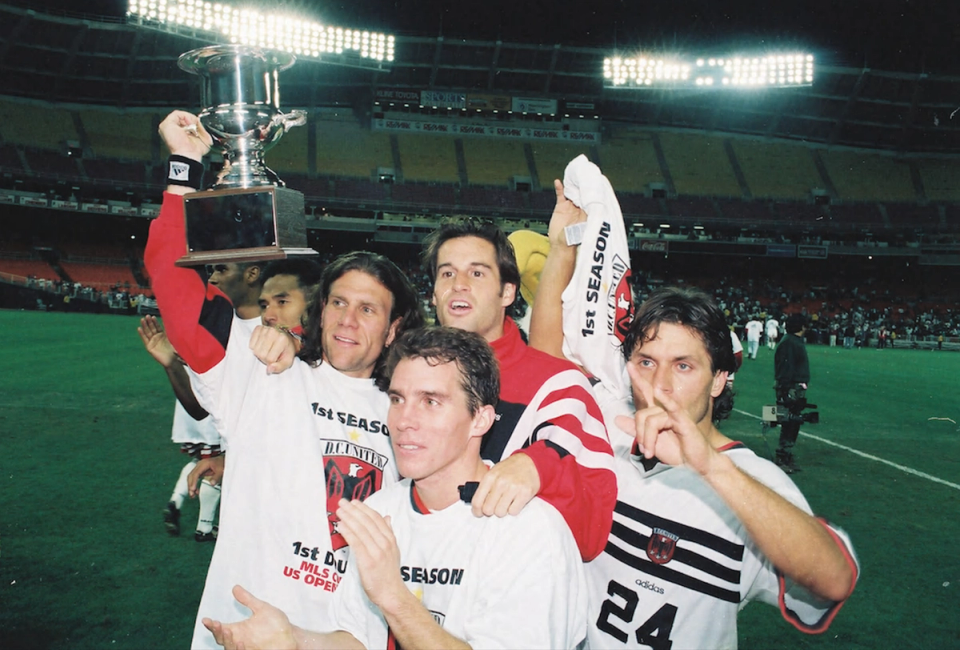
Helping usher in the modern era of the tournament and the arrival of Major League Soccer, Washington, D.C.’s Robert F. Kennedy Stadium hosted three Finals: 1996, 2008 and 2009. The cavernous venue known primarily as the home of the NFL’s Washington Redskins and MLB’s Washington Senators and Washington Nationals became a key figure in the development of soccer in the latter portion of the 20th century. In addition to serving as the home to the NASL’s Washington Diplomats and Team America as well as MLS’s D.C. United, the stadium hosted several key soccer matches across several competitions: the FIFA World Cup (1994), FIFA Women’s World Cup (2003), Olympic Games (1996), Concacaf Champions Cup (1988, 1998), MLS Cup (1997, 2000, 2007), NASL Soccer Bowl (1980) and those three U.S. Open Cup Finals.
The first Open Cup Final it hosted back in 1996 kicked off the era of MLS dominance, as first-year side D.C. United toppled the Rochester Rhinos to become the first MLS side to conquer the historic tournament. In 2008, the venue saw D.C. United claim its second tournament title, and in 2009, RFK Stadium witnessed Seattle Sounders FC upend D.C. United in front of more than 17,000 people to claim the first of its four titles in five tournaments.
2010, 2011
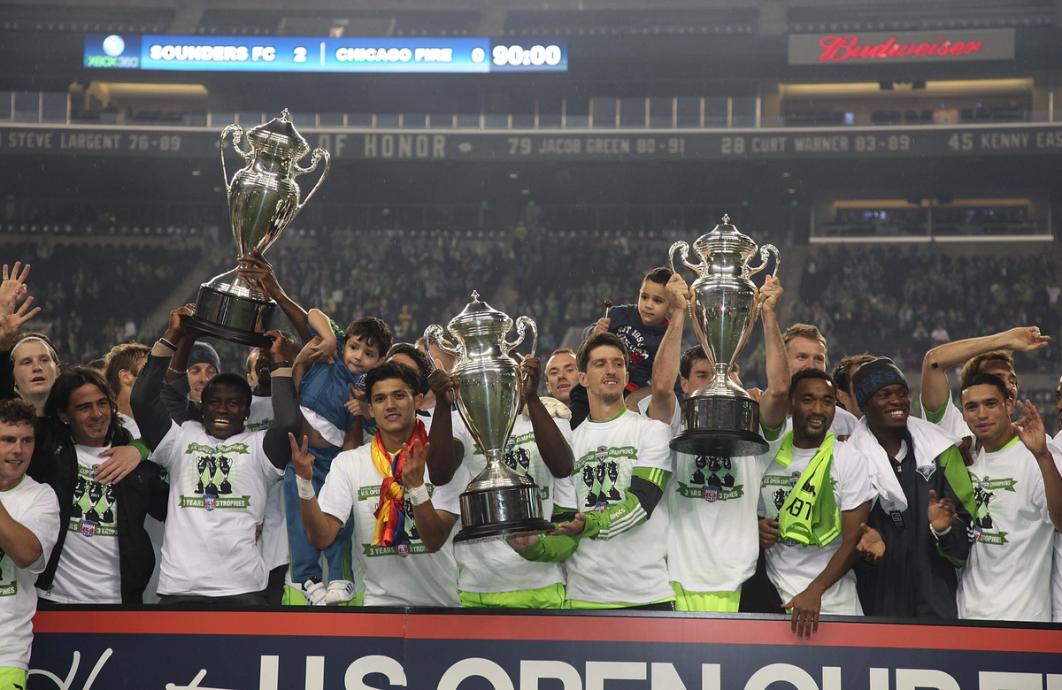
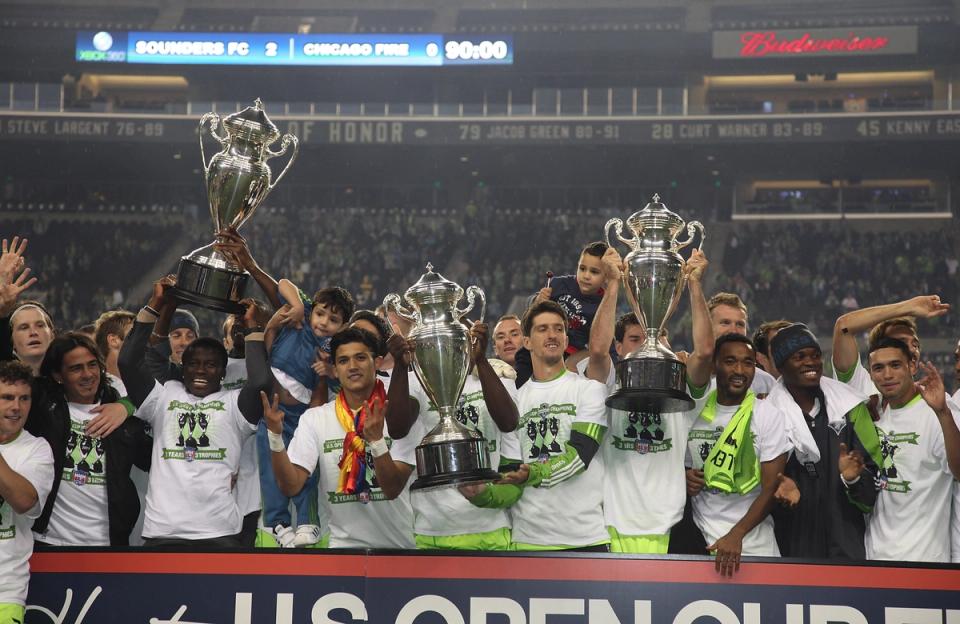
The Sounders dominated the early 21st century, winning four titles in the span of five tournaments shortly after its transition from the USL to MLS. Of the Sounders’ four titles, two came at their home venue of Lumen Field. The stadium saw the Sounders claim their second and third title in 2010 and 2011, respectively, solidifying the nascent MLS side as a legitimate trophy contender for years to come. Those two Finals in Seattle were also significant in that both set attendance records in back-to-back Finals, first drawing a record crowd of 31,311 in 2010 before setting another Final record with 35,615 in 2011. To this day, only Atlanta United FC’s victory in 2019 featured a larger crowd (35,709).